
Home · Health · Sep 9 archive
Three Minutes of Sprinting May Offer Greater Health Benefits Than 90 Minutes of Moderate Exercise, Study Suggests
Confirmed
In Short: Scientists have found that brief, intense exercise can trigger significant molecular changes in the body, potentially offering greater health benefits than longer, moderate workouts.
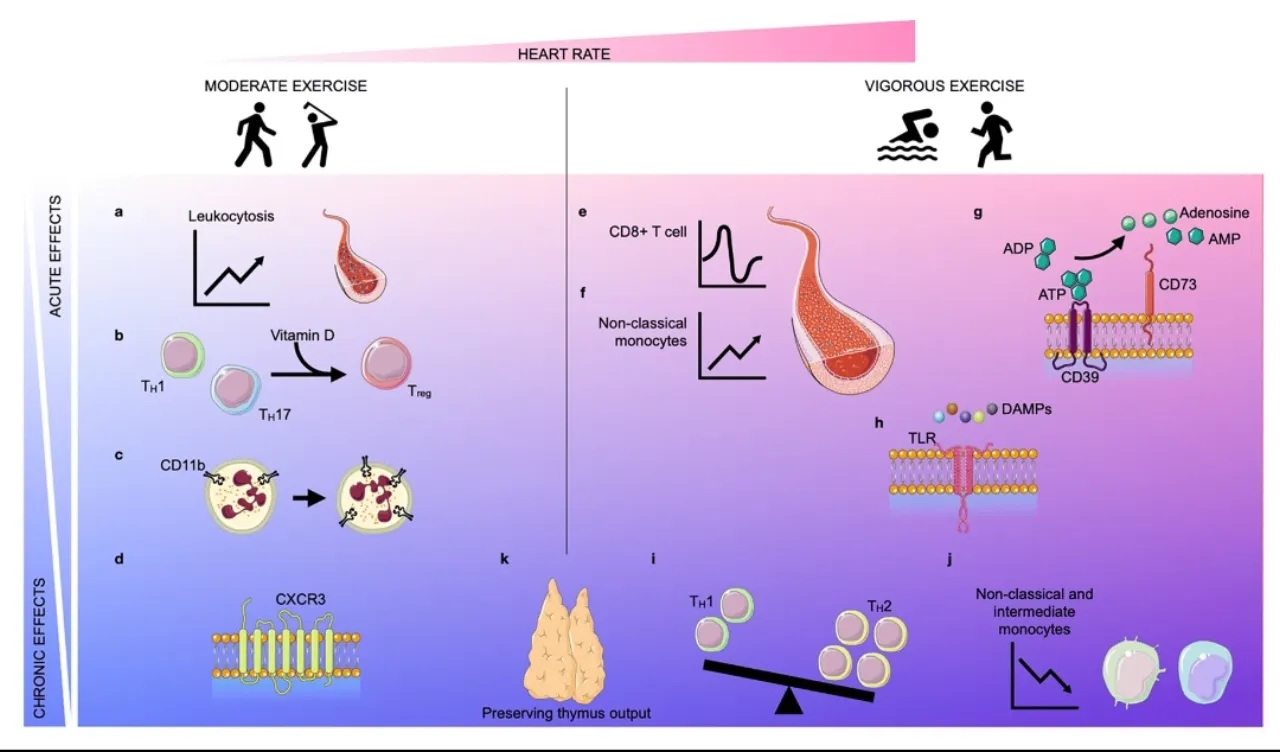
Scientists have discovered that just three minutes of high-intensity exercise can offer greater health benefits than a 90-minute moderate-intensity workout, according to a new study. This finding adds to the understanding of how exercise improves health, with brief bursts of intense activity reshaping the molecular contents of the bloodstream more dramatically than longer, moderate exercise.
The study, conducted by researchers at Rockefeller University, compared different intensities of exercise and found that six sets of 30-second, all-out sprints altered nearly a quarter of the proteins measured immediately afterward. Human fat cells exposed to blood collected after sprinting also underwent extensive changes in gene activity, shifting how the cells process fuel, respond to hormones, and sense nutrient availability.
In contrast, moderate, continuous cycling for 90 minutes altered fewer than one-quarter of one percent of the proteins. Sprinting, on the other hand, triggered changes in more than 200 metabolites, indicating a more significant molecular response. These findings suggest that brief bursts of intense exercise may be more effective in reducing the risk of cardiovascular and metabolic diseases and promoting slower biological aging.
The study's lead cardiologist, Dr. Paul Cohen, stated, 'What’s exciting here is that just a few minutes of intense exercise can trigger a significant molecular response.' He added, 'We know exercise is associated with beneficial health outcomes, but exactly how exercise helps people to live longer and stave off deadly disease has yet to be pinned down.
What's still developing
- Plus, more states are shaming employers that use your tax dollars to cover health costs for their low-income workers.
- The independent source for health policy research, polling, and news.
- The KFF Health News Minute is available every Thursday via direct download or the RSS feed.
- The next installment of KFF Health News Minute will publish on Sept.
- Plus, some cities are using 911 to respond to mental health distress calls with mobile crisis teams instead of police.
- It was not until three hours after completing that exercise that a meaningful wave of the fatty acids and liver-derived proteins that typically appear in response to the demands of endurance exercise were found in the bloodstream.
- Zach Dyer [DYE-er] reads this week’s news: Health insurance companies promised to make it easier to get doctor-ordered care, but patients are still waiting.
- Sam Whitehead reads the week’s news: Some health plans are pocketing their enrollees’ drug discounts, while many Affordable Care Act insurers want to raise rates by double digits next year.