
Home · Technology · Sep 9 archive
Samsung Ends Support for Galaxy Watches That Revived Wear OS
Confirmed
In Short: Samsung has officially ended support for the Galaxy Watch 4 and 4 Classic, marking the end of a pivotal chapter in Android wearables.
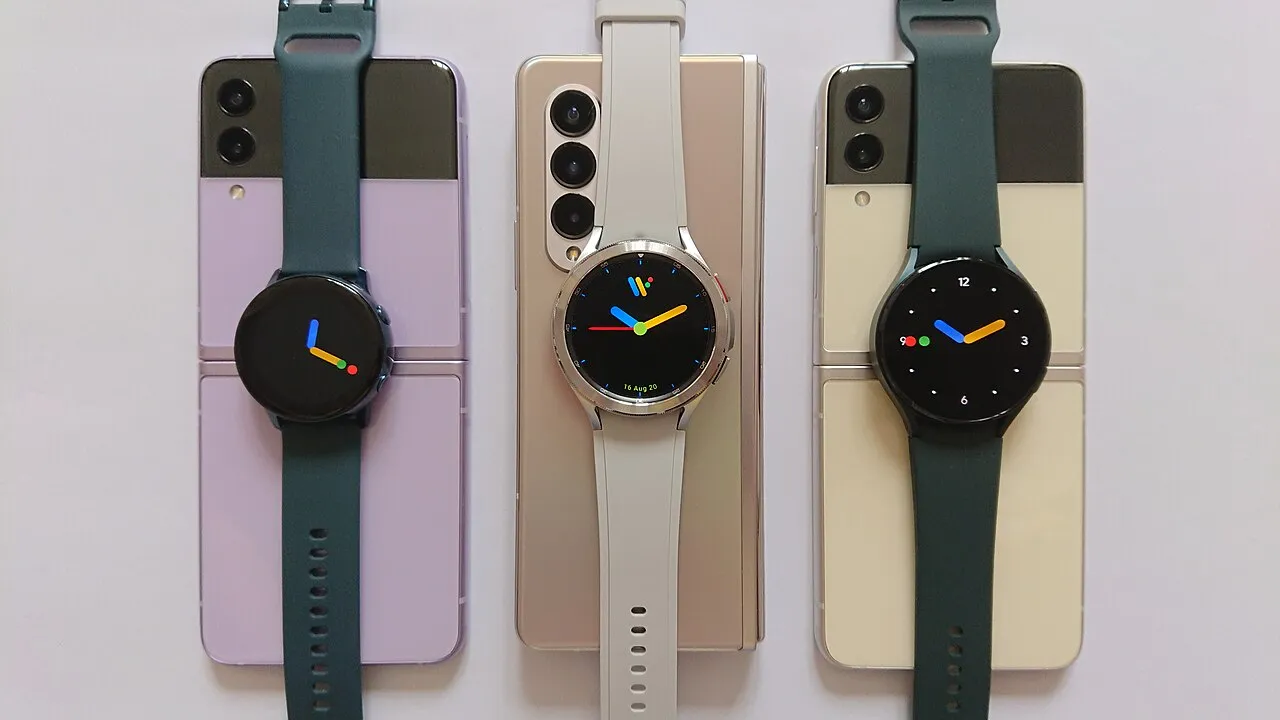
Samsung has quietly ended support for its Galaxy Watch 4 and 4 Classic models, signaling the end of an era for the smartwatch lineup that significantly contributed to the revival of Google’s Wear OS ecosystem. According to reports, the company updated its Mobile Security work scope schedule following the release of its September 2026 security bulletin, officially removing these devices from the list of supported devices. This move comes after four generational platform upgrades, culminating in the rollout of One UI 8 Watch, which marked the end of security updates for these smartwatches.
The Galaxy Watch 4 lineup, which debuted in August 2021, marked Samsung’s high-profile departure from Tizen OS to co-develop Wear OS 3 alongside Google. Samsung had promised four generations of Wear OS updates, and with the final Wear OS 6/One UI 8 Watch update, the company completely delivered on its commitment to long-term software support for these smartwatches. While the devices will not abruptly stop working, users will no longer receive security updates, making them more vulnerable to potential threats.
The end of support for the Galaxy Watch 4 and 4 Classic also highlights the significant role these devices played in the wearable market. According to reports, the sunset brings a definitive close to a pivotal chapter in Android wearables, as these watches helped revive the ecosystem and set new standards for smartwatch technology. However, users of these devices do not need to worry about their watches stopping functioning immediately; they will continue to work, albeit without the latest security patches.
In the wake of this development, Samsung is reportedly set to unveil a foldable iPhone that could rival its Android competitors, including the Samsung Galaxy Z Fold 8 and Google Pixel 11 Pro Fold. The tech giant is rumored to unveil the foldable iPhone, named the iPhone Ultra, during a “Surprise and shine” keynote, alongside the iPhone 18 Pro models, fresh Apple Watches, enhanced AirPods, and an overhauled smart home line. The first-generation product is expected to mark Apple’s entry into the foldable market, blending an iPhone with an iPad mini, and is rumored to cost around $2,000.
These upcoming releases from Samsung and Apple underscore the ongoing competition in the wearable and smartphone markets. As Samsung shifts its focus to new products, the legacy of the Galaxy Watch 4 and 4 Classic in reviving Wear OS remains a significant milestone in the history of smartwatches.
What's still developing
- With Samsung phones, one of the best perks isn't as widely known about or used as it should be.
- If you own a Galaxy device and have never come across the Edge Panel, or you used it once but have since forgotten about it, here's what it's capable of now—and how you can make the most of it to optimize your mobile experience.
- Ceramic cases in white and gray will arrive on this year’s watches, Gurman said, alongside a new feature that keeps the heart rate sensor running all day to continuously track vitals.
- Essentially, it’s a hybrid device that blends an iPhone with an iPad mini.