
Home · Health · Sep 8 archive
Toasted Skin Syndrome Spreading Among Children Due to Digital Gadgets
Developing
In Short: A rise in children developing toasted skin syndrome, typically seen in adults using heating pads, is being linked to the increasing use of electronic devices, according to reports.
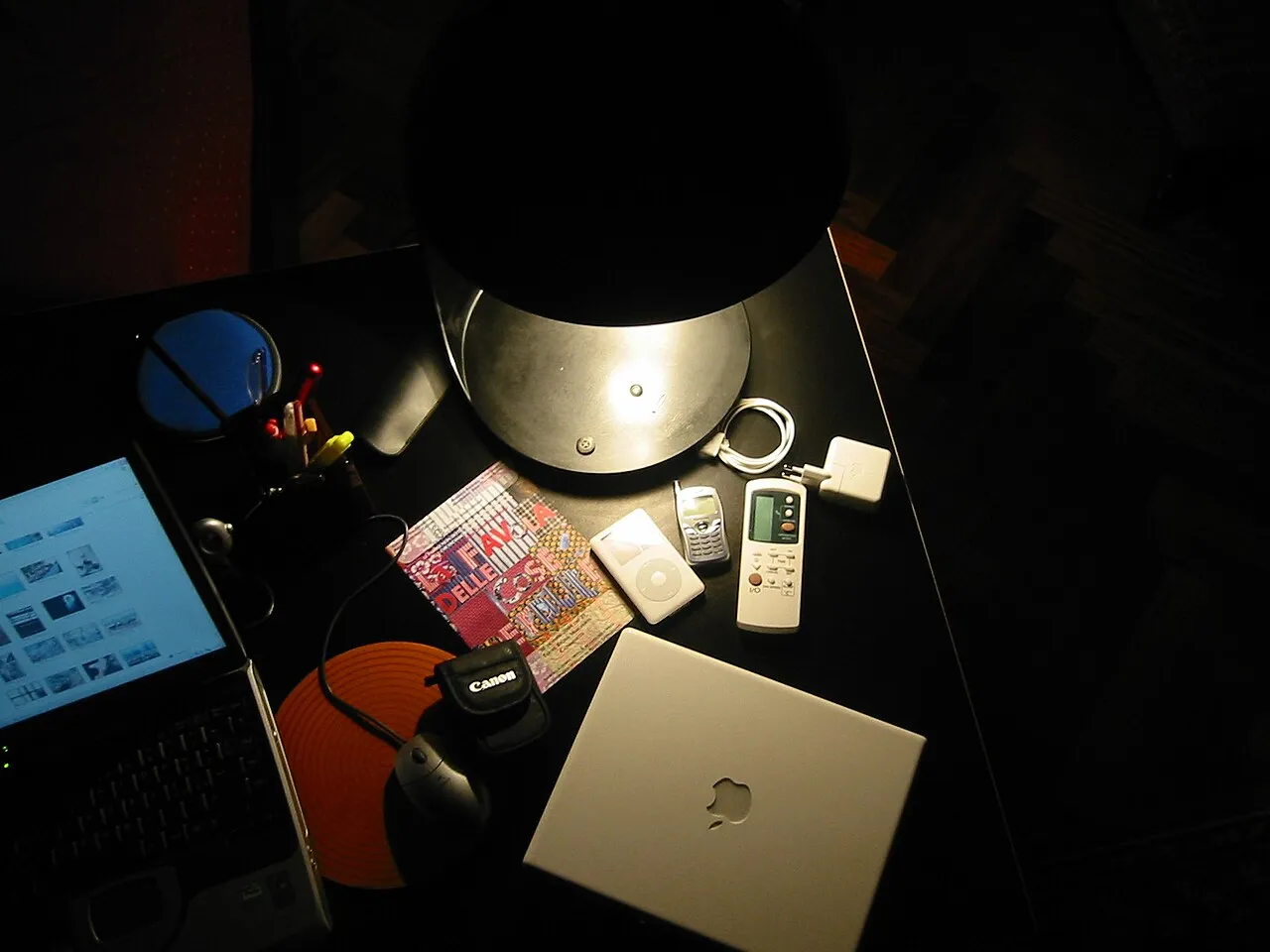
Toasted Skin Syndrome, a condition usually associated with adults using hot water bottles or heating pads, is now becoming more common among children due to their frequent use of digital gadgets, according to the Independent.
Dr. Mara Znagoveanu of University Hospitals of Leicester NHS Trust reported a case of a child presenting with 'spontaneous bruising' at a children’s emergency department, which was diagnosed as erythema ab igne (EAI), also known as toasted skin syndrome.
The syndrome was diagnosed in a pre-teen boy who used his laptop on his stomach for up to eight hours daily, highlighting the potential risks of using electronic devices on bare skin. Medical professionals warn of a rise in children suffering from skin reactions from resting gadgets on their skin.
What's still developing
- “The increasing use of electronic devices, particularly during home schooling, has emerged as an under-recognised cause of EAI in paediatric populations” She added that EAI might be misdiagnosed in children, leading to “unnecessary investigations” such as blood tests or scans.
Sources
- Independent link