
Home · Health · Sep 7 archive
Allahabad High Court Stays FIR in Email ID Case
Confirmed
In Short: The Allahabad High Court has stayed an FIR against two men accused of creating an email ID in another person’s name and using it to send fake complaints.
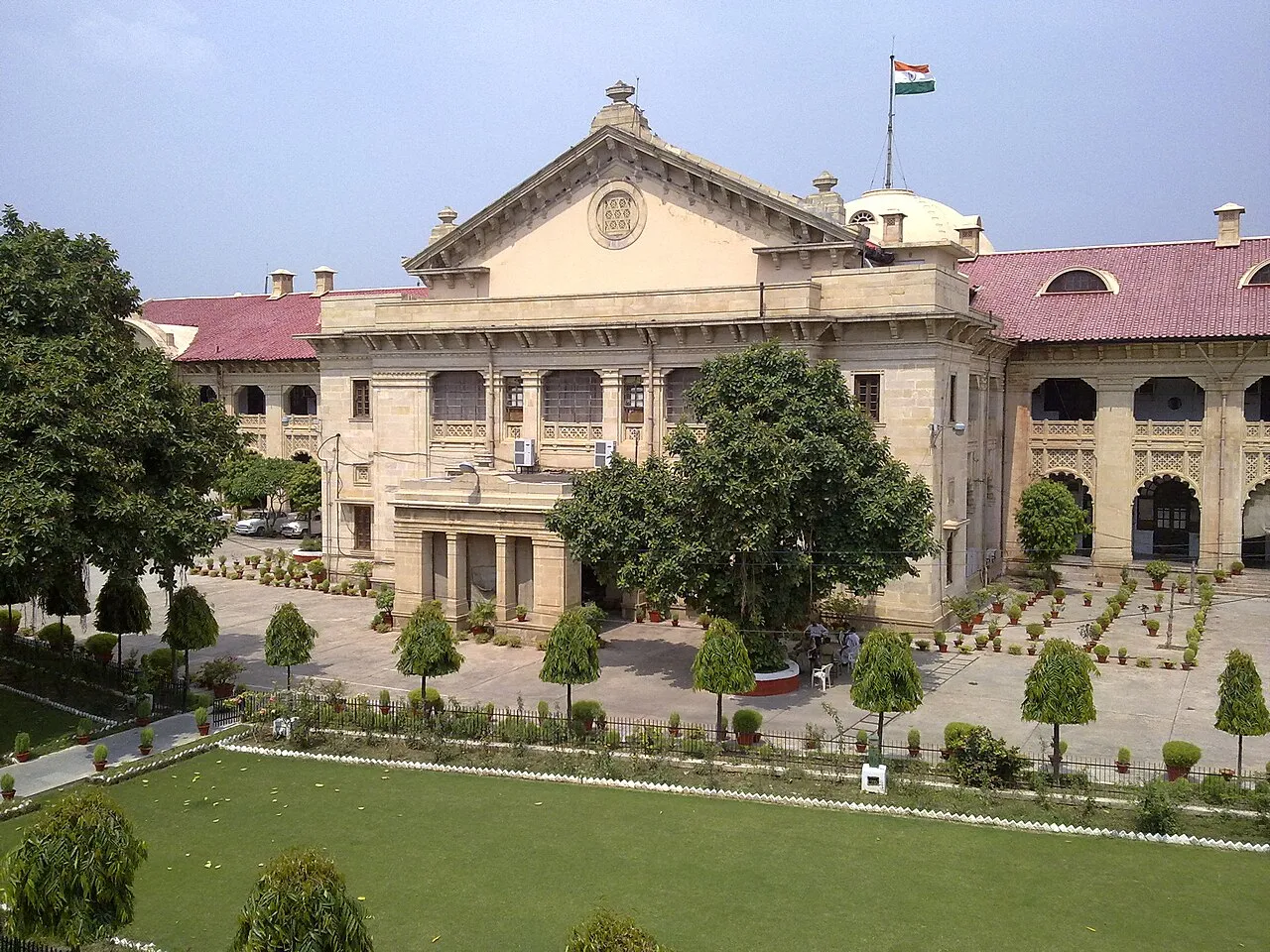
The Allahabad High Court has stayed an FIR against two men accused of creating an email ID in another person’s name and using it to send fake complaints. The court ruled that merely creating an email ID in someone else’s name does not constitute identity theft under the Information Technology Act, 2008.
According to the petitioners, they were alleged to have created an email ID in the name of a third person and used it to send complaints. The court, in its September 1 order, stated that the creation of an email ID would not be considered an electronic signature, password, or unique identification feature, as these terms are specifically mentioned in Section 66-C of the IT Act.
Justices Abdul Moin and Pramod Kumar Srivastava observed that the legislature had not included "email ID" in the definition of "unique identification feature" in Section 66-C. The court further noted that there is no bar on an email ID being created in the name of a particular individual by any other individual.
The petitioners, represented by advocates Anuj Dayal and Ankit Kumar Trivedi, argued that merely creating an email ID in another person’s name did not amount to using that person’s electronic signature, password, or unique identification feature. The court agreed, finding that the allegations did not establish an offence under Section 66-C at the prima facie stage.
The court also found a prima facie case for interference and stayed the FIR dated July 23, 2026, until further orders. The petitioners had approached the high court challenging the FIR registered against them for defamation and the alleged offence of criminal defamation, relying on the Supreme Court’s ruling in Subramanian Swamy v Union of India.
The government, represented by Ashish Gautam, argued that the petitioners knowingly created an email ID in the name of a particular individual and used it to send fake messages and complaints to various persons, including the Lokayukta. However, the court rejected this argument, underscoring the absence of an "electronic signature" or "password" or any unique identification while creating an email ID.
What's confirmed
What's still developing
- Nothing material beyond the confirmed record.