
Home · Science · Sep 4 archive
Isle of May puffin numbers plummet after extreme weather
Confirmed
In Short: Puffin numbers at one of the UK's largest colonies on the Isle of May have plummeted by about 30% in just two years, according to NatureScot.
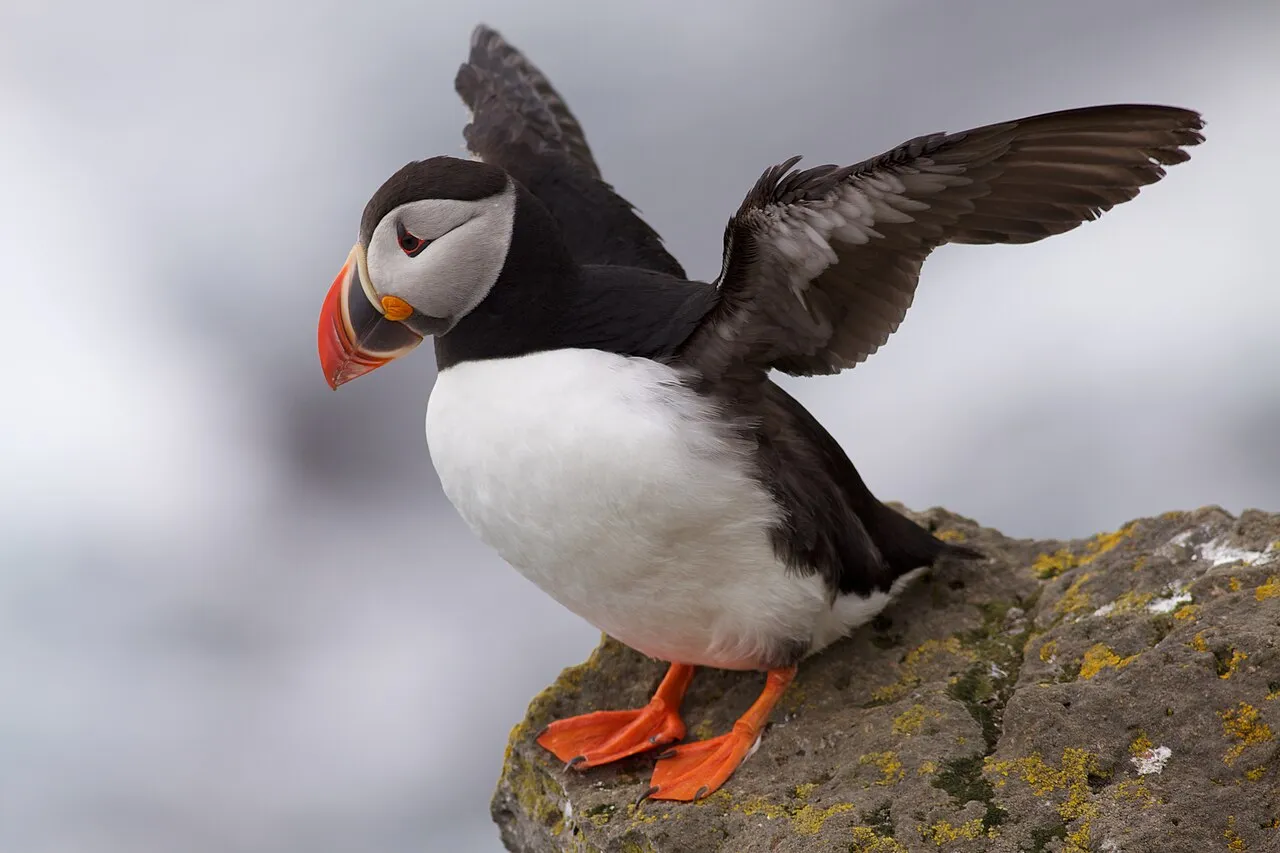
Puffin numbers at one of the UK's largest colonies on the Isle of May have plummeted by about 30% in just two years, according to NatureScot. The reserve's manager, David Steel, noted that this decline mirrors earlier trends from the early 2000s, when puffin numbers fell before recovering in the 2010s.
Mark Newell, UKCEH's field manager on the Isle of May, expressed concern that future extreme weather events could further affect the breeding ability of puffins and other seabirds. The decrease appears to be linked to ongoing pressures on seabird food supplies, poor winter survival, and increasingly extreme weather conditions, according to Steel.
Field workers at UKCEH and NatureScot conducted the count by sweeping back and forth across the entire island for six days, counting each hole in the ground and assessing whether it was excavated by a puffin or a rabbit. The manager of the reserve, David Steel, highlighted that puffins spend up to eight months of the year out at sea, only returning to land to breed in early spring.
The concerns for the future of puffins have been raised as climate scientists predict an increase in the frequency and severity of extreme events. NatureScot emphasized the importance of continued monitoring and conservation work at sites like the Isle of May NNR, where data and research are crucial in understanding these trends and responding to them.
What's confirmed
What's still developing
- Storms in recent years have killed large numbers of birds, while rising ocean temperatures can reduce the availability of food sources for puffins – particularly sandeels.