
Home · Science · Sep 4 archive
New Exoplanet Discovered by KMT-2025-BLG-1160L
Developing
In Short: Astronomers have identified a new exoplanet orbiting a distant star, marking an important discovery in the field of exoplanet research.
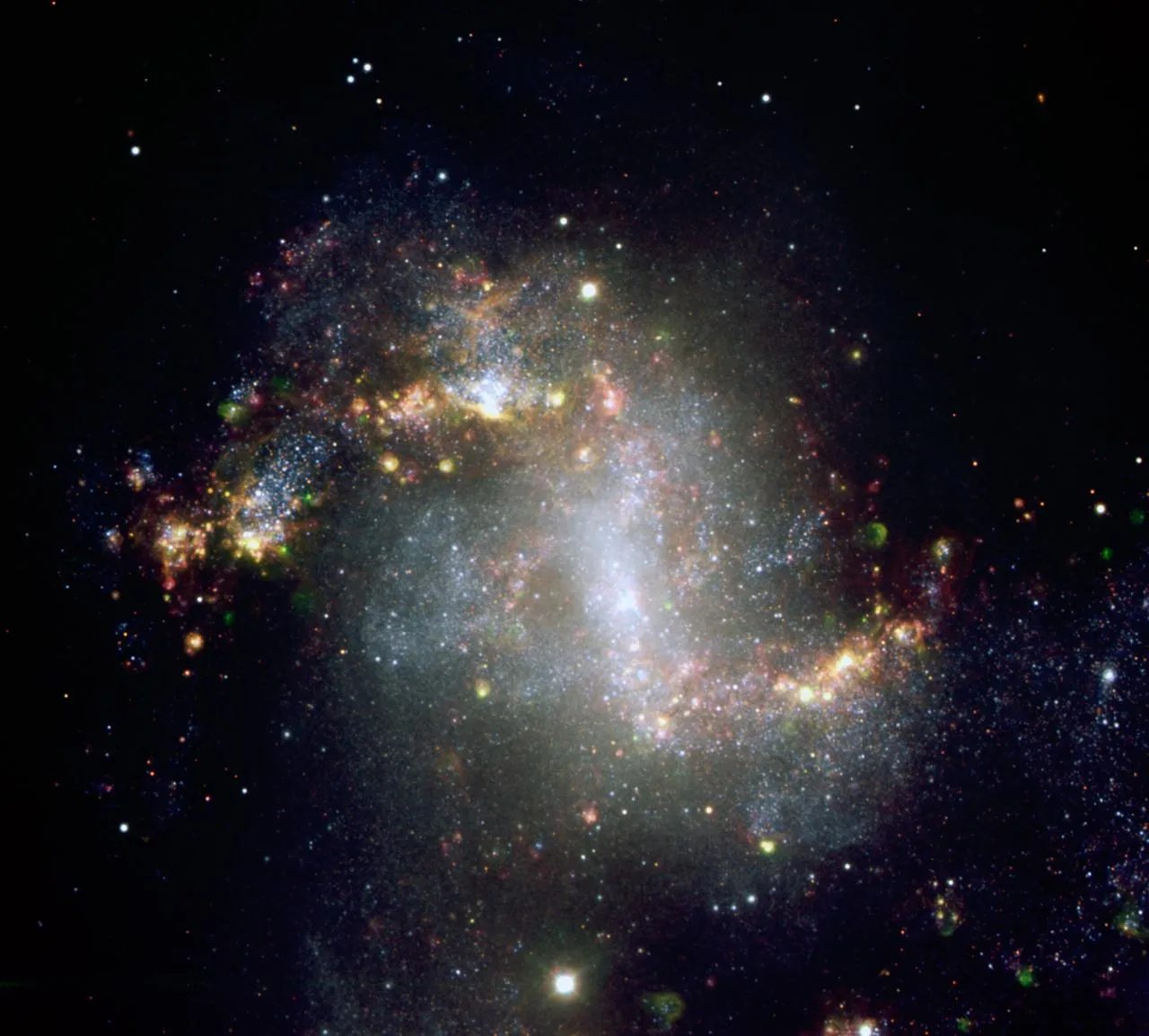
Astronomers using the Korea Microlensing Telescope Network (KMTNet) have discovered a new exoplanet designated KMT-2025-BLG-1160L b. This discovery adds to the growing catalog of known exoplanets and enhances our understanding of planetary systems beyond our own solar system.
The exoplanet was detected through gravitational microlensing, a phenomenon where the gravity of a foreground star bends and amplifies the light from a background star. This method is particularly useful for detecting planets that are difficult to find using other techniques.
KMT-2025-BLG-1160L b orbits a star located in the constellation of Tucana, approximately 18,000 light-years away. Its discovery is significant as it provides valuable data for studying the formation and evolution of exoplanets in distant stellar systems.
Further analysis of the exoplanet's characteristics, such as its mass and orbit, will help scientists better understand the diversity of planetary systems in the universe. This new discovery is part of ongoing efforts to explore the vast expanse of space and uncover the secrets of exoplanets.
What's confirmed
What's still developing
- Further details were still being reported.