
Home · Science · Sep 4 archive
BepiColombo Mission Reaches Final Stretch to Mercury
Confirmed
In Short: The BepiColombo mission, a joint venture between the European Space Agency and JAXA, has cleared a major milestone in its eight-year journey to Mercury, the closest planet to the Sun.
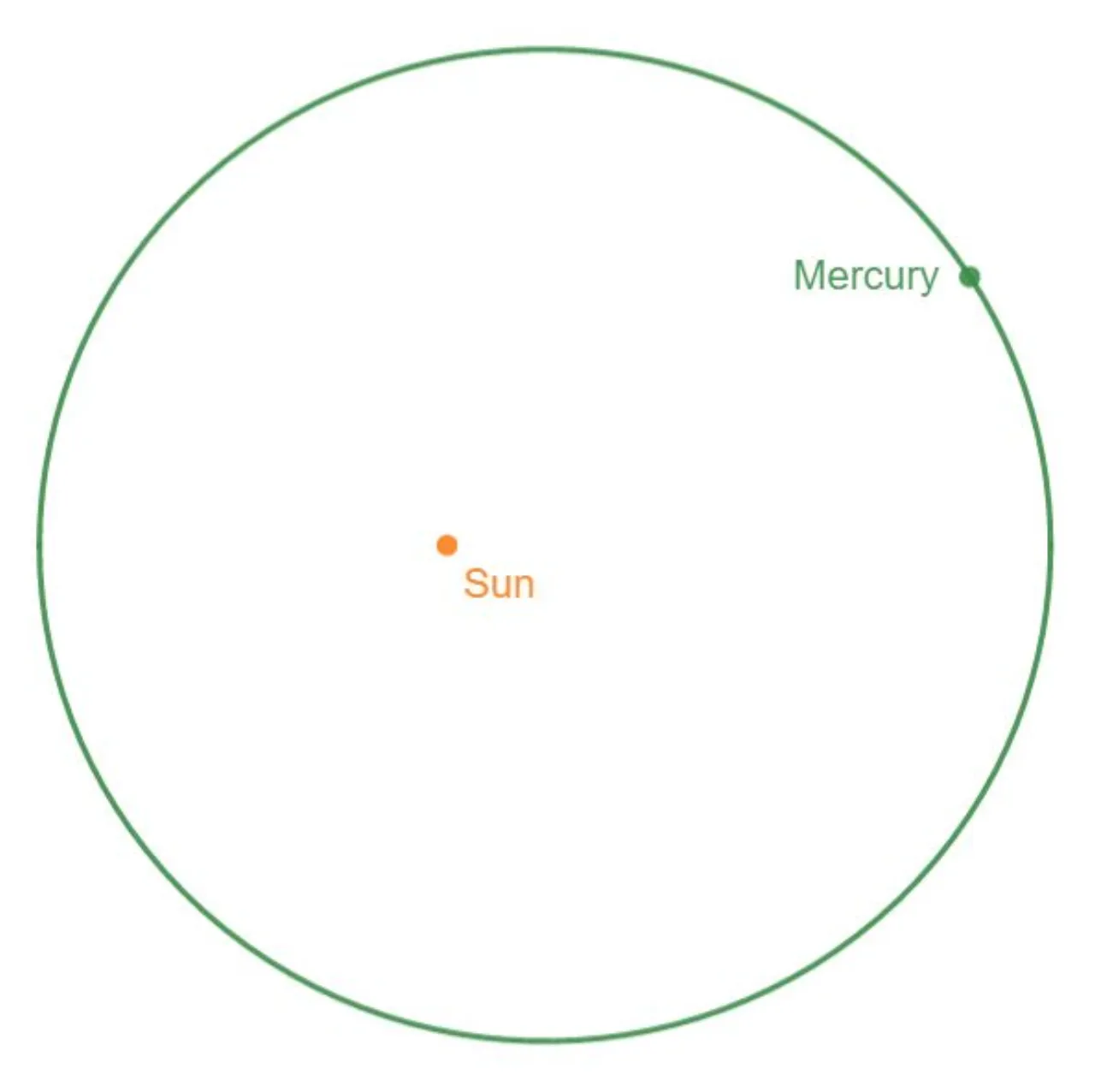
After eight years of interplanetary travel, Europe's BepiColombo mission has reached a significant milestone, marking the final stretch of its journey to Mercury. This ambitious mission, which required nine planetary flybys for trajectory adjustments, is now on track to enter Mercury's orbit later this year.
The Mercury Transfer Module, crucial for generating power and propulsion during the cruise, has successfully completed its mission. Telemetry from BepiColombo confirmed that the Mercury Planetary Orbiter's solar arrays are functioning, ensuring the spacecraft can continue its journey.
Santa Martinez, ESA's mission manager for BepiColombo, expressed the mission's complexity, stating, 'It’s a very ambitious mission.' The spacecraft, launched in 2018, is now capturing its first views of Mercury, though conditions were not ideal for direct imaging due to the planet's nightside at closest approach.
BepiColombo's first images of Mercury, taken from a distance of about 1000 km, provide a glimpse of the planet's surface. This marks a significant step in the mission, setting the stage for detailed observations and scientific research as the spacecraft prepares to orbit Mercury.
What's confirmed
What's still developing
- The BepiColombo mission cleared a major milestone this week in the final stretch of an eight-year interplanetary voyage to Mercury, the hard-to-reach, scorching hot iron world at the Solar System’s innermost frontier.
- Launched in 2018, BepiColombo is a joint mission between the European Space Agency and Japan's JAXA.
- The ESA/JAXA BepiColombo mission has captured its first views of its destination planet Mercury as it swooped past in a close gravity assist flyby last night.
- Once its main science mission begins, BepiColombo’s two science orbiters – ESA’s Mercury Planetary Orbiter and JAXA’s Mercury Magnetospheric Orbiter – will study all aspects of mysterious Mercury from its core to surface processes, magnetic field and exosphere, to better understand the origin and evolution of a planet close to its parent star.
- BepiColombo’s main science mission will begin in early 2026.
- “The flyby was flawless from the spacecraft point of view, and it’s incredible to finally see our target planet,” says Elsa Montagnon, Spacecraft Operations Manager for the mission.
- “It was an incredible feeling seeing these almost-live pictures of Mercury,” says Valentina Galluzzi, co-investigator of BepiColombo’s SIMBIO-SYS imaging system that will be used once in Mercury orbit.
- “It really made me happy meeting the planet I have been studying since the very first years of my research career, and I am eager to work on new Mercury images in the future.” “It was very exciting to see BepiColombo’s first images of Mercury, and to work out what we were seeing,” says David Rothery of the UK’s Open University who leads ESA’s Mercury Surface and Composition Working Group.