
Home · World · Aug 30 archive
Iran’s Mojtaba Khamenei urges Gulf rulers in written message to confront ‘real enemy’
Developing
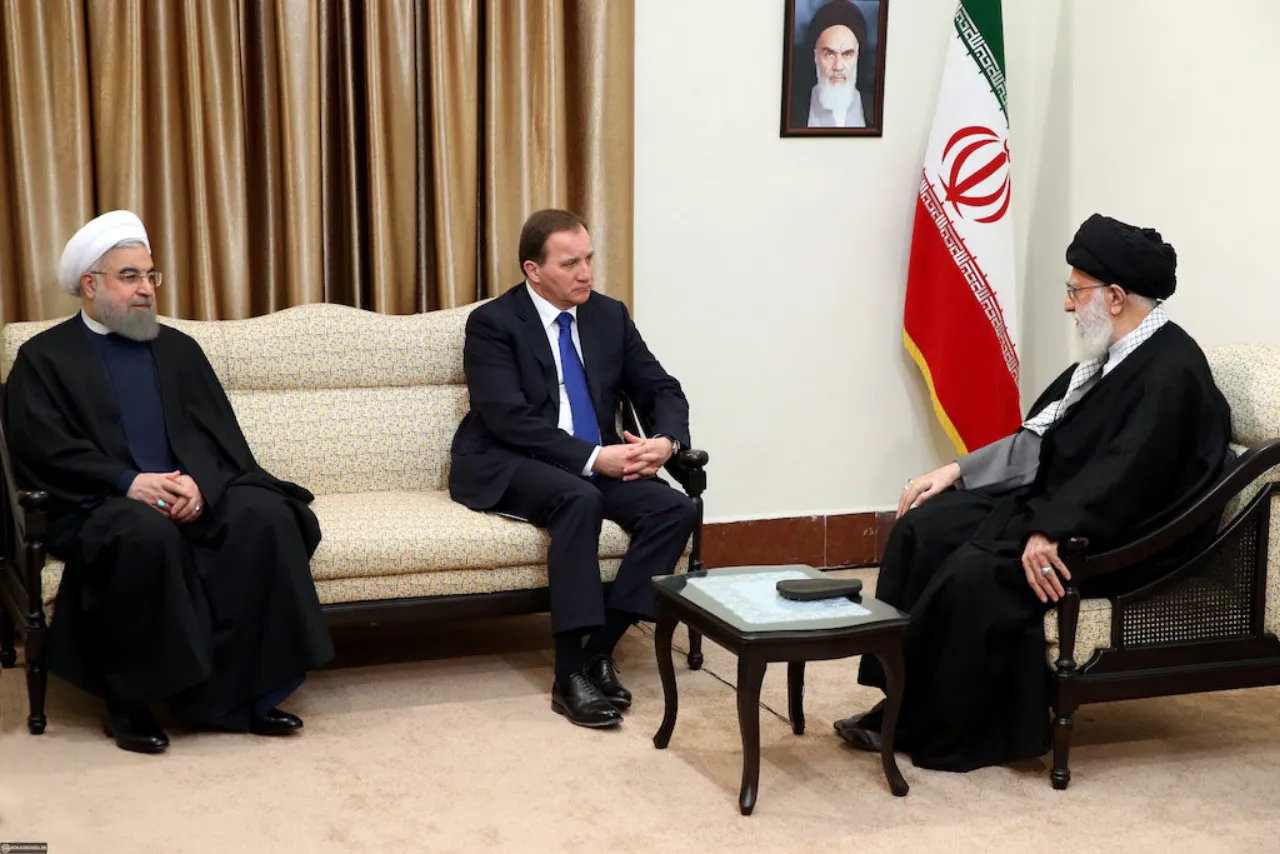
Iran’s Supreme Leader Mojtaba Khamenei urged Muslim countries, particularly those in the Gulf, to unite against what he called their “real enemy” and said divisions among Muslims served the interests of their adversaries.
“My emphatic and repeated recommendation to the rulers of Islamic countries, especially the countries of West Asia and the Gulf, is to identify your real enemy, understand his plan and confront it,” Khamenei said. Khamenei has not been seen in public since being injured in U.S.-Israeli airstrikes six months ago that launched the Iran war, killing his father and previous supreme leader, Ayatollah Ali Khamenei.
Yet Tehran signalled no retreat on Saturday, vowing to withstand U.S. pressure, pursue diplomacy and maintain what it said was control over the Strait of Hormuz, the strategic waterway giving Iran leverage through its ability to disrupt global energy markets.
“We can solve our problems and gain our privileges with the memorandum of understanding,” he said of a document that had offered Iran, among other things, immediate relief from U.S. sanctions and the release of its frozen assets.
Six months after the U.S. and Israel launched the war, negotiations are at an impasse and President Donald Trump’s administration has stepped up efforts to punish Iran financially with what it has billed as an “economic D-Day”.
But he said Iran was able to sell about 90 million barrels of oil during the short-lived memorandum of understanding that the U.S. and Iran signed in June, when Washington permitted Iranian oil sales. The message was published on Khamenei’s Telegram account for Islamic Unity Week, which marks the birthday of the Prophet Muhammad.
His call for unity echoes a statement he made on Friday to Iranians, when he said he had banned actions that harm social cohesion and urged authorities to avoid “discouraging statements” that weaken national and public morale.
What's confirmed
What's still developing
- Iran’s Supreme Leader Mojtaba Khamenei urged Muslim countries, particularly those in the Gulf, to unite against what he called their “real enemy” and said divisions among Muslims served the interests of their…
- The message was published on Khamenei’s Telegram account for Islamic Unity Week, which marks the birthday of the Prophet Muhammad.
- Khamenei has not been seen in public since being injured in U.S.-Israeli airstrikes six months ago that launched the Iran war, killing his father and previous supreme leader, Ayatollah Ali Khamenei.
- His call for unity echoes a statement he made on Friday to Iranians, when he said he had banned actions that harm social cohesion and urged authorities to avoid “discouraging statements” that weaken national and…
- “My emphatic and repeated recommendation to the rulers of Islamic countries, especially the countries of West Asia and the Gulf, is to identify your real enemy, understand his plan and confront it,” Khamenei said.
- Yet Tehran signalled no retreat on Saturday, vowing to withstand U.S. pressure, pursue diplomacy and maintain what it said was control over the Strait of Hormuz, the strategic waterway giving Iran leverage through…
- Six months after the U.S. and Israel launched the war, negotiations are at an impasse and President Donald Trump’s administration has stepped up efforts to punish Iran financially with what it has billed as an…
- But he said Iran was able to sell about 90 million barrels of oil during the short-lived memorandum of understanding that the U.S. and Iran signed in June, when Washington permitted Iranian oil sales.
Sources
- NBC Newslink