
Home · Politics · Aug 26 archive
White House Reviews Power Plant Endangerment Repeal
Developing
In Short: The Office of Management and Budget is reviewing a supplemental proposal to undo greenhouse gas regulations for power plants, expected to mirror EPA’s endangerment finding repeal.
The supplemental proposal to undo greenhouse gas regulations for power plants entered White House review on Monday, according to the Office of Management and Budget’s website.
This move is part of a broader effort to remove 2024 standards that required coal-fired and some new gas-fired power plants to capture and store most of their greenhouse gas emissions.
Given that the power industry is the largest industrial source of greenhouse gas emissions in the U.S., the proposal is expected to mirror EPA’s repeal of the so-called endangerment finding, which barred future administrations from regulating the power sector for greenhouse gases.
The proposal, issued by EPA last summer, aimed to bar future administrations from regulating the power sector for greenhouse gases, reflecting a significant shift in environmental policy.
Background
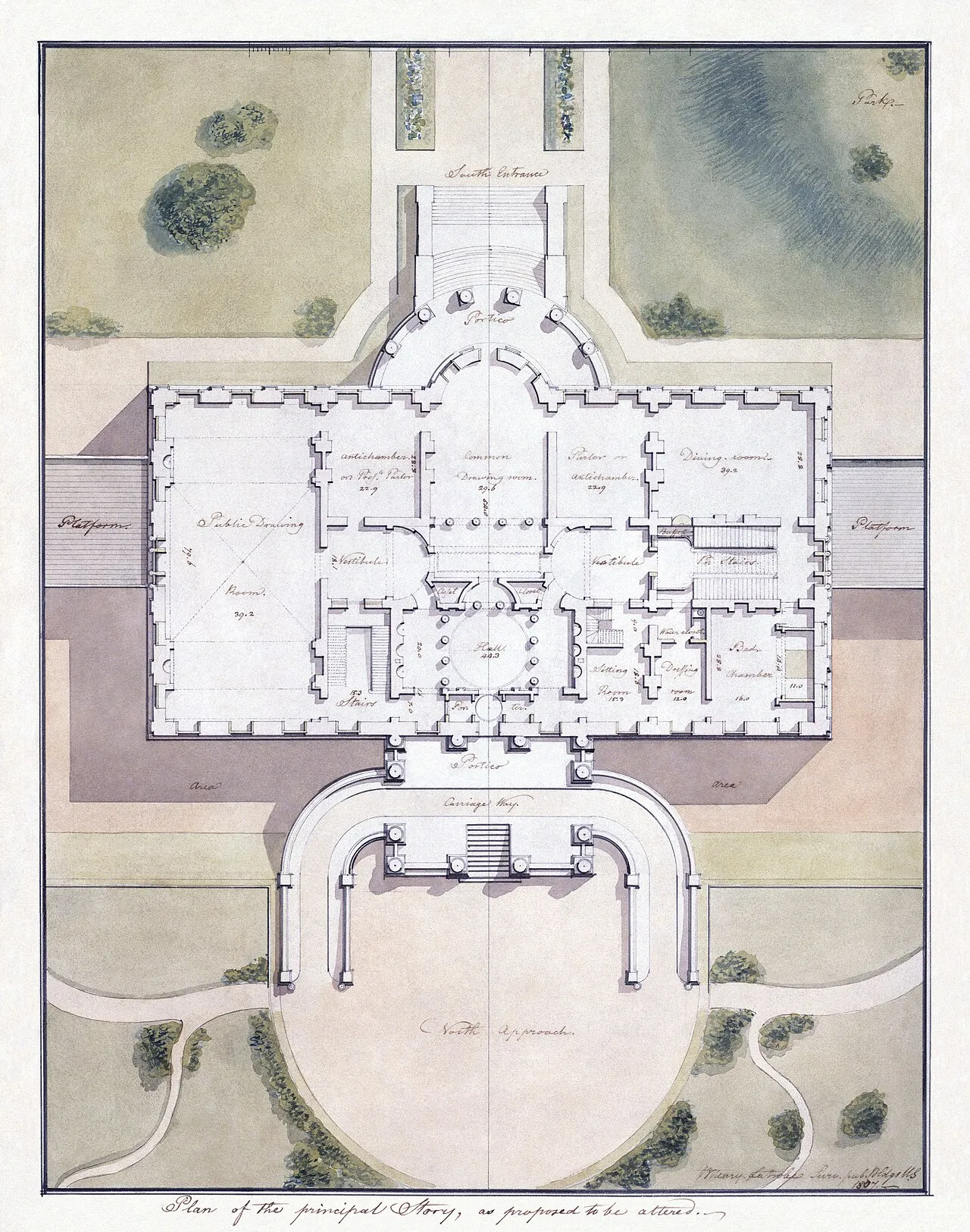
The White House is the official residence and workplace of the president of the United States. Located at 1600 Pennsylvania Avenue NW in Washington, D.C., it has served as the residence of every U.S. president since John Adams in 1800 when the national capital was moved from Philadelphia.
What's confirmed
What's still developing
- What happened: The supplemental proposal entered White House review on Monday, according to the Office of Management and Budget’s website.
- It is expected to be released along with another rule to undo 2024 standards that required coal-fired and some new gas-fired power plants to capture and store most of their greenhouse gas emissions.
- The power industry is the largest industrial source of greenhouse gas emissions in the U.S. The proposal is expected to mirror EPA’s repeal of the so-called endangerment finding.
- The details: EPA issued a proposal last summer that aimed to bar future administrations from regulating the power sector for greenhouse gases.