
Home · World · Aug 25 archive
Supreme Court hands preliminary win to Trump on mail-in ballots executive order
Confirmed
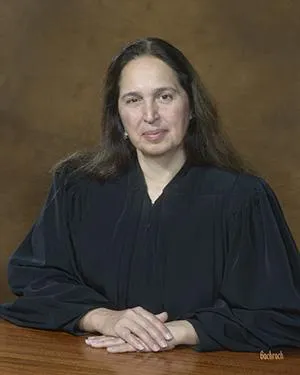
The Supreme Court concluded Monday that the states’ lawsuit was premature because the executive order itself had not yet inflicted the concrete injury needed for federal courts to intervene. The Supreme Court decision is provisional, focusing only on the argument that U.S. District Judge Indira Talwani acted prematurely in preventing the provisions from being implemented in the 23 states before federal agencies had even drawn up plans for how to implement the executive order. The Supreme Court decision is in line with one in a related case by the U.S. Court of Appeals for the District of Columbia Circuit that rejected a separate attempt by Democrats to block the executive order.
USPS said it would not implement the new standards for the 2026 election unless the government obtains relief from the outstanding court injunctions. U.S. District Judge Indira Talwani issued a separate injunction on August 11 blocking nationwide implementation of the Postal Service portions of Trump’s order. A separate nationwide injunction issued earlier this month continues to block implementation of key U.S. Postal Service requirements, meaning the legal battle could return to the courts before ballots begin moving through the mail this fall. John Sauer wrote in the filing that it was premature for courts to rule on the issue, as neither the Postal Service nor other agencies have determined how they will implement the executive order. Under the proposed system, ballots that failed to comply with the required procedures could be returned rather than processed through the Postal Service.
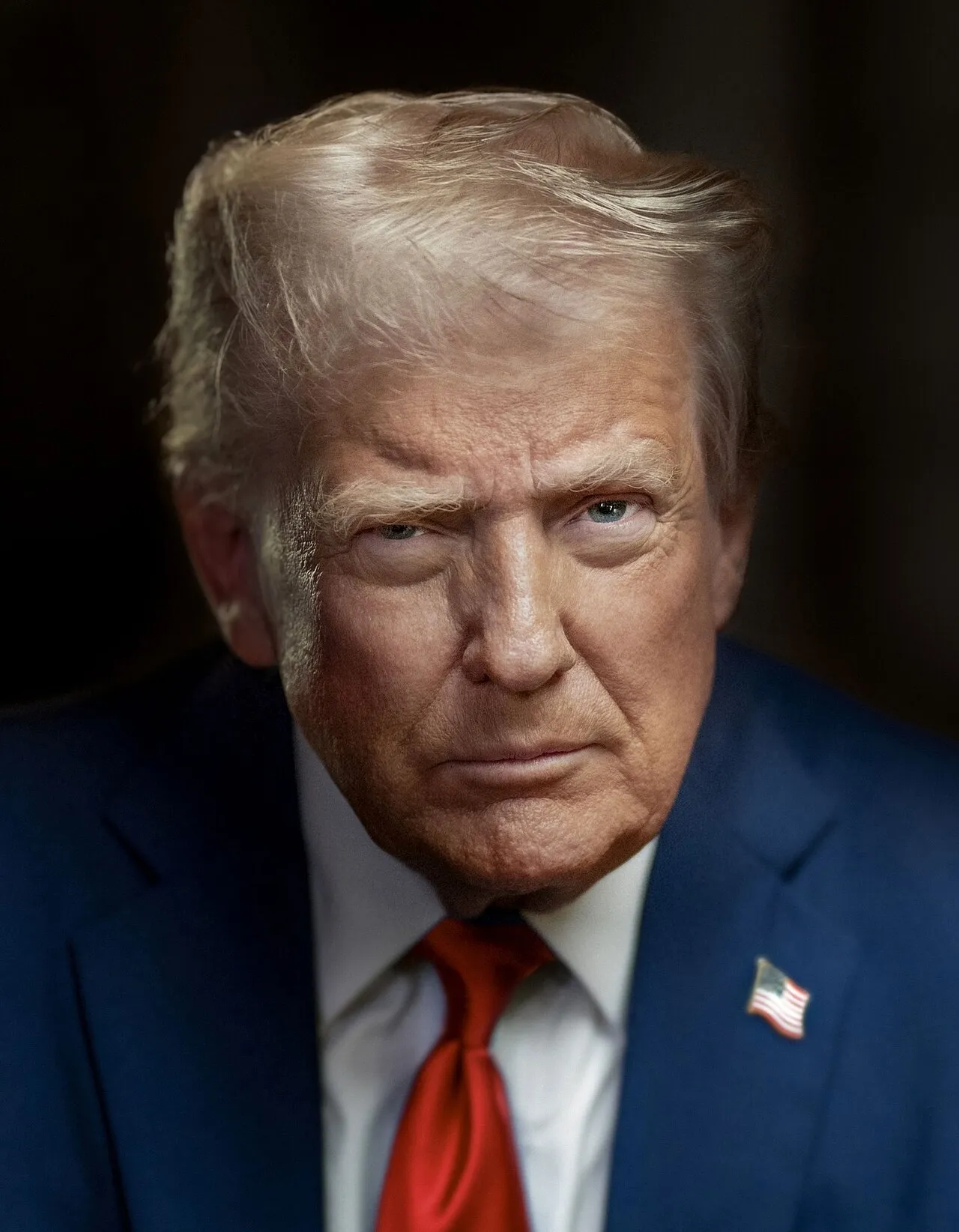
Trump issued Executive Order 14399 on March 31, directing federal agencies to establish additional safeguards for federal elections. President Donald Trump has frequently railed against the widespread use of mail-in ballots as part of his broader complaints, offered without evidence, that the election system is plagued with fraud. California Gov. Gavin Newsom, a Democrat, said Monday night that his state will launch a new challenge to the Trump administration’s policy on mail-in voting. That means the administration may, at least in the short term, be able to implement the executive order, but the legal battle is far from over.
In a 6-3 decision, the Court granted the Trump administration’s emergency request in Trump v. California, allowing federal agencies to continue developing policies ordered by the president while litigation proceeds. Justices Sonia Sotomayor, Elena Kagan and Ketanji Brown Jackson dissented. Nor does it suggest that the Executive Branch has any constitutional or statutory authority to implement the President’s directives.
“The Order itself does not harm the States,” the Court said, adding that its ruling does not mean measures ultimately adopted by the administration will necessarily be lawful. The court also granted a similar application filed by Alabama and 11 other states. “This Administration will continue to lawfully enact the agenda President Trump was elected on — which includes the safety and security of our elections,” White House spokesperson Lauren Bis said in a statement. “This decision is a painful setback, but it will not be the final word,” New York Attorney General Letitia James, who was among those who challenged the proposal, said in a statement. Instead, they said the administration must be permitted to develop them before courts determine whether any finished policy violates federal law.
What's confirmed
- On that score, time will tell,” the court said in an unsigned ruling .
- “The Order itself does not harm the States,” the Court said, adding that its ruling does not mean measures ultimately adopted by the administration will necessarily be lawful.
- The Supreme Court concluded Monday that the states’ lawsuit was premature because the executive order itself had not yet inflicted the concrete injury needed for federal courts to intervene.
- USPS said it would not implement the new standards for the 2026 election unless the government obtains relief from the outstanding court injunctions.
- Trump issued Executive Order 14399 on March 31, directing federal agencies to establish additional safeguards for federal elections.
- In a 6-3 decision, the Court granted the Trump administration’s emergency request in Trump v.
What's still developing
- The justices, divided 6-3 along ideological lines with conservatives in the majority, lifted an injunction a Massachusetts-based judge imposed in June that prevented key aspects of the executive order from going into…
- The court also granted a similar application filed by Alabama and 11 other states.
- “This Administration will continue to lawfully enact the agenda President Trump was elected on — which includes the safety and security of our elections,” White House spokesperson Lauren Bis said in a statement.
- Parts of the same executive order are blocked nationwide because of a ruling the same judge issued later in a different case , but the Supreme Court decision is likely to apply to that ruling, too.
- That means the administration may, at least in the short term, be able to implement the executive order, but the legal battle is far from over.
- “This decision is a painful setback, but it will not be the final word,” New York Attorney General Letitia James, who was among those who challenged the proposal, said in a statement.
- California Gov. Gavin Newsom, a Democrat, said Monday night that his state will launch a new challenge to the Trump administration’s policy on mail-in voting.
- President Donald Trump has frequently railed against the widespread use of mail-in ballots as part of his broader complaints, offered without evidence, that the election system is plagued with fraud.