
Home · Politics · Aug 24 archive
Supreme Court pauses block on Trump mail-voting order
Confirmed
What we know
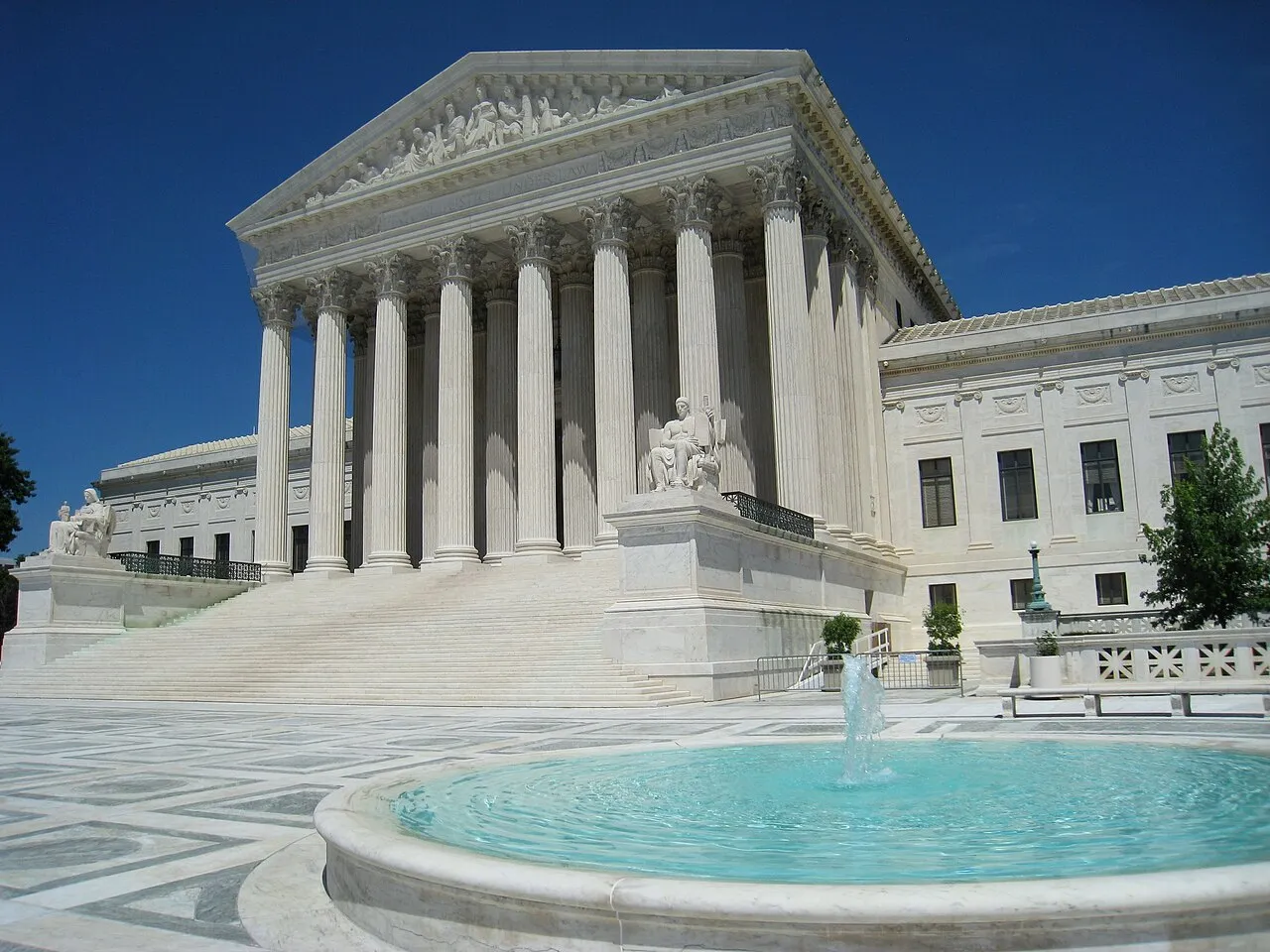
The Supreme Court has given President Trump an interim win in his effort to restrict mail-in voting. The Supreme Court's decision did not weigh in on the legality of Trump's executive order, which has so far not directly affected eligible absentee voters' option to cast ballots by mail. The Supreme Court has previously ruled against Trump-backed arguments on mail-in ballots, finding in June that states can count ballots that arrive after Election Day. The conservative-led high court on Monday paused a lower court's ruling that had blocked key parts of an executive order that Trump issued back in March.
NPR: The lower court's ruling applied to 23 mainly Democratic-led states, plus Washington, D.C., that sued the administration. As part of a separate but related lawsuit, the Postal Service is blocked from following Trump's directives under a nationwide ruling released Aug. 11 by U.S. District Judge Indira Talwani in Boston. Trump's order calls for the Department of Homeland Security to develop state lists of adult U.S. citizens and for the Postal Service to obtain lists of eligible mail voters from states. Al Jazeera: The US Postal Service laid out how it would implement the order last week, but time is running short to impose major changes with some states beginning to send mail ballots to voters in just a few weeks. NPR: All election officials would also be required to have certain barcodes on their mail ballot envelopes.
NPR: A dozen Republican-led states have already appealed that ruling. Al Jazeera: They also pointed to another ruling out of Washington, where a judge allowed Trump’s order to proceed.
NPR: "On that score, time will tell," the court noted. After the high court's decision, New York State Attorney General Letitia James, a Democrat, said the states challenging Trump's order are now exploring legal options.
NPR: "This decision is a painful setback, but it will not be the final word," James said in a statement. Al Jazeera: They argued that the US Constitution gives states and Congress the power to run elections, and Trump’s changes could lead to chaos and partisan abuse. A 2025 Brookings Institution study found only about four cases of fraud out of every 10 million mail ballots cast.
Background
The Supreme Court of the United States (SCOTUS) is the highest court in the federal judiciary of the United States. It has ultimate appellate jurisdiction over all U.S. federal court cases, and over state court cases that turn on questions of U.S. constitutional or federal law.Wikipedia — Supreme Court of the United States (CC BY-SA)
The United States Postal Service is an independent agency of the executive branch of the United States federal government responsible for providing postal service in the United States, its insular areas and associated states. It is one of a few government agencies explicitly authorized by the Constitution of the United States.Wikipedia — United States Postal Service (CC BY-SA)
What's confirmed
- It was an earlier decision by Talwani, in June, that the Supreme Court ruled on Monday.
- The court's three liberal justices, however, dissented from the court's decision.
- Trump's order calls for the Department of Homeland Security to develop state lists of adult U.S. citizens and for the Postal Service to obtain lists of eligible mail voters from states.
- Trump’s executive order, signed in March, calls on his administration to create lists of eligible voters and orders the US Postal Service to deliver mail ballots only to people on those lists.
- The Supreme Court has previously ruled against Trump-backed arguments on mail-in ballots, finding in June that states can count ballots that arrive after Election Day.
What's still developing
- NPR: The lower court's ruling applied to 23 mainly Democratic-led states, plus Washington, D.C., that sued the administration.
- NPR: As part of a separate but related lawsuit, the Postal Service is blocked from following Trump's directives under a nationwide ruling released Aug. 11 by U.S. District Judge Indira Talwani in Boston.
- NPR: "On that score, time will tell," the court noted.
- NPR: After the high court's decision, New York State Attorney General Letitia James, a Democrat, said the states challenging Trump's order are now exploring legal options.
- Al Jazeera: The US Postal Service laid out how it would implement the order last week, but time is running short to impose major changes with some states beginning to send mail ballots to voters in just a few weeks.
- Al Jazeera: Democratic officials in 23 states and the District of Columbia sued to block the order.
Sources
- NPR — Interim stay; court did not rule on legality; Talwani nationwide USPS block still in force link
- Al Jazeera — 23-state suit; March executive order; USPS timing; remaining challenges link
- Wikipedia — background on Supreme Court of the United States link
- Wikipedia — background on United States Postal Service link