
Home · Science
NASA: human-related microbes may survive days in Moon south-pole shade
Confirmed
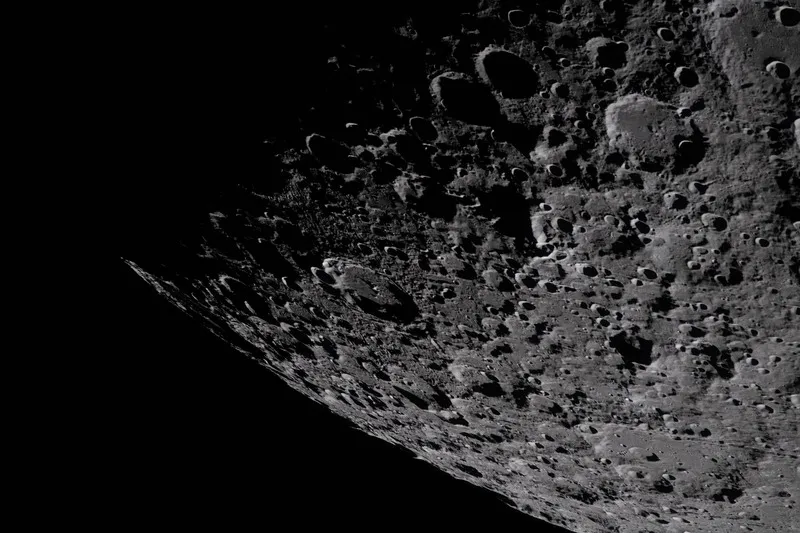
What we know
NASA-led research published Aug. 19 in Science Advances finds that microbes commonly carried by humans and spacecraft — including the fungus Aspergillus niger — could remain viable for up to about seven Earth days in shaded niches near the lunar south pole, based on LRO-derived environment maps of Artemis candidate sites.
Survival here means staying alive in a dormant state, not growing or reproducing; the Moon still lacks liquid water and temperate conditions for replication. Authors stress contamination could confuse future chemistry/biology searches and urge baselines before crewed polar activity.
What's confirmed
- NASA Science feature (Aug. 19): Science Advances paper “Potential survivable niches for microbial life on the lunar south pole”; lead Prabal Saxena (Goddard).
- Sites modeled include Nobile Rim, Connecting Ridge, and De Gerlache Rim using Lunar Reconnaissance Orbiter elevation/temperature data plus UV/radiation models.
- Microbes tested include Aspergillus niger, Bacillus subtilis, Staphylococcus aureus, Deinococcus radiodurans, and Fusarium species (NASA/UMD/phys.org corroboration).
- Authors: no evidence microbes can grow on the Moon; concern is dormant hitchhikers confounding science and Mars planetary protection.
What's still developing
- How Artemis contamination-control procedures will change for polar landings.
- Independent replication of niche maps and survival-time estimates.