
Home · Health · Aug 20 archive
DRC to Receive 70,000 Ebola Vaccine Doses
Confirmed
In Short: The Democratic Republic of Congo is set to receive 70,000 doses of an Ebola vaccine to combat its deadliest outbreak, with 20,000 for a clinical trial and 50,000 for frontline workers.
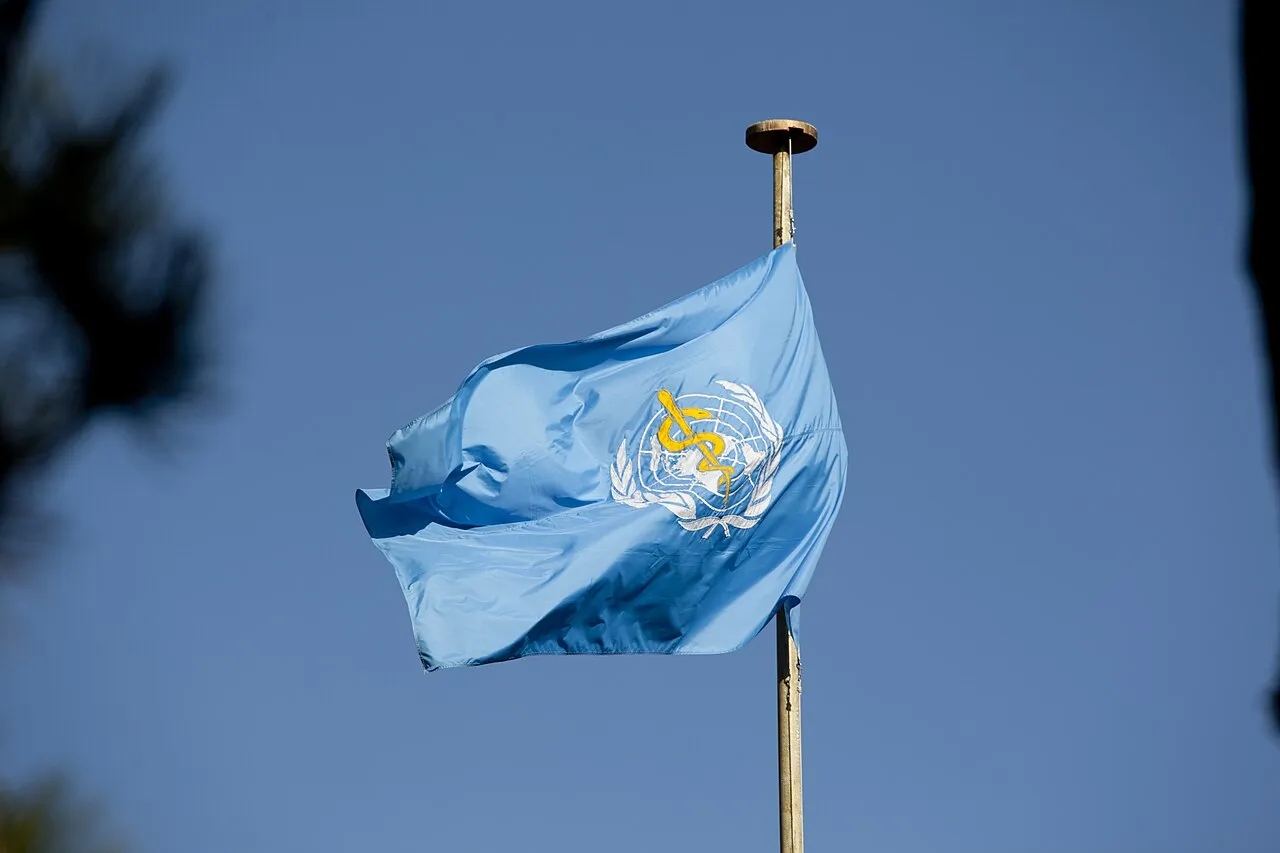
The Democratic Republic of Congo is set to receive 70,000 doses of an Ebola vaccine as the country battles its deadliest outbreak on record, according to the World Health Organization (WHO).
Of these doses, 20,000 will be used in a Phase 3 clinical trial to assess whether the vaccine can protect against the Bundibugyo strain, which is currently spreading in the DRC. The remaining 50,000 doses will be distributed to frontline and health workers.
The outbreak, declared on May 15, has recorded more than 5,000 cases and over 2,300 deaths in the past three months, with a daily average of around 90 confirmed cases, marking a significant increase compared to previous outbreaks.
Dr. Tedros Adhanom Ghebreyesus, WHO Director-General, emphasized the need for scaled-up action, stating, 'We can bring the Ebola outbreak under control but only through scaled-up action in affected communities that is led by national, provincial and local leaders and the affected communities, sustained by needed resources and backed by committed collaboration by all partners in DRC and beyond.
What's confirmed
What's still developing
- The Democratic Republic of Congo is set to receive 70,000 doses of an Ebola vaccine as the country battles its deadliest outbreak on record.
- The World Health Organization says the Ervebo vaccine is being released for limited use and a clinical trial, despite being approved only for the Zaire strain of Ebola—not the Bundibugyo strain currently spreading in…
- Of the 70,000 doses, 20,000 will be used in a Phase 3 clinical trial to assess whether the vaccine can protect against the Bundibugyo strain.
- Another 50,000 doses will go to frontline and health workers.
- The outbreak was declared on May 15, and the WHO says the DRC has recorded more than 5,000 cases and over 2,300 deaths in the past three months.
- The outbreak is affecting areas where health infrastructure is limited and armed groups remain active.
- There is currently no approved vaccine or specific treatment for the Bundibugyo strain.
- A daily average of around 90 confirmed cases has been recorded in the first three months, markedly higher than the rate observed in the same period during the 2014–2016 West Africa and the 2018–2020 Democratic…