
Home · Health · Aug 19 archive
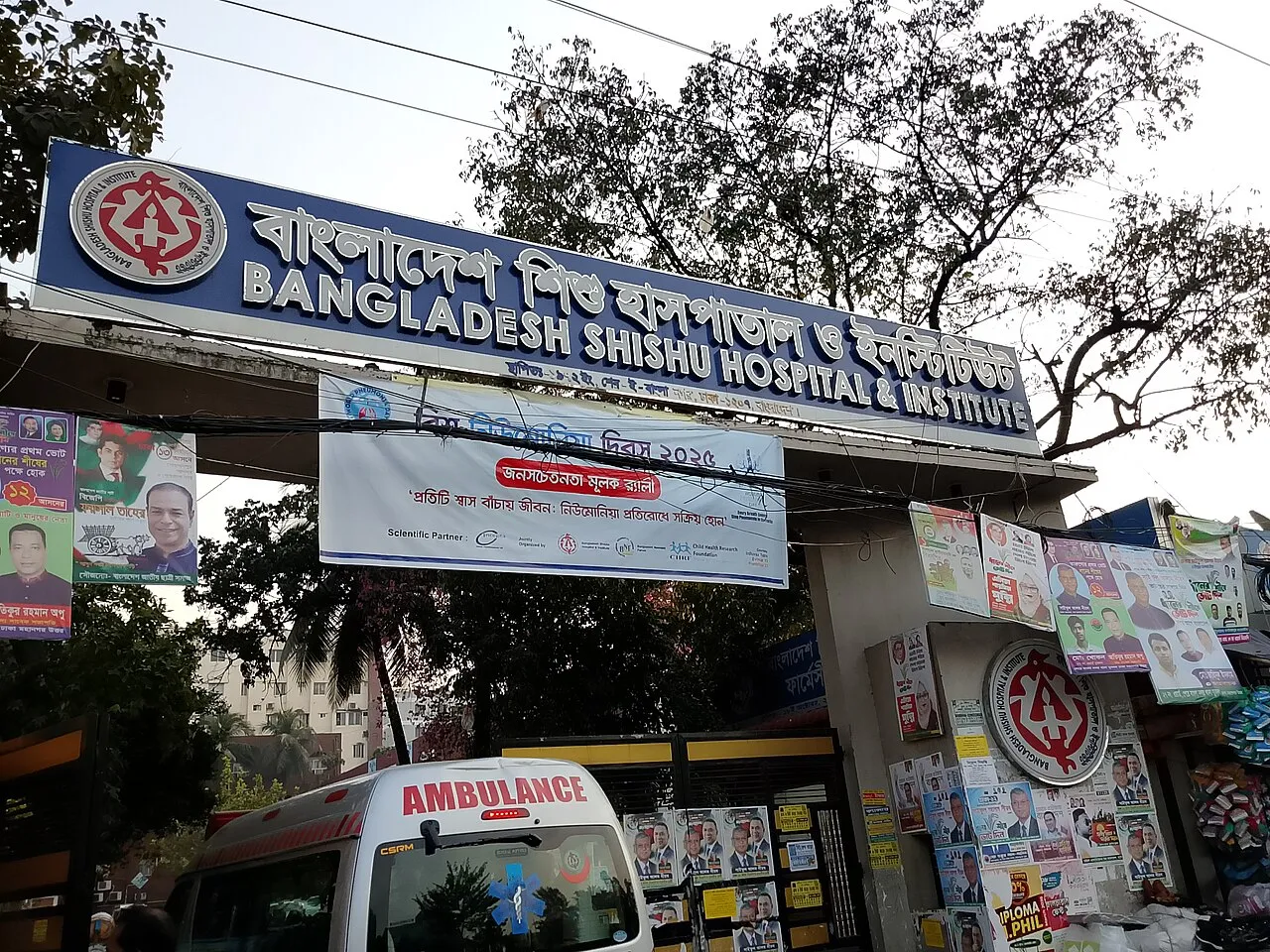
In a study from the Bangladesh Shishu Hospital & Institute, around 82% of children who died from measles during the outbreak in Bangladesh did not receive adequate or exclusive bre
Developing
In Short: A study from Bangladesh Shishu Hospital & Institute highlights the critical role of exclusive breastfeeding and timely vaccination in preventing measles deaths, as nearly 82% of children who died were not exclusively breastfed during their first six months of life.
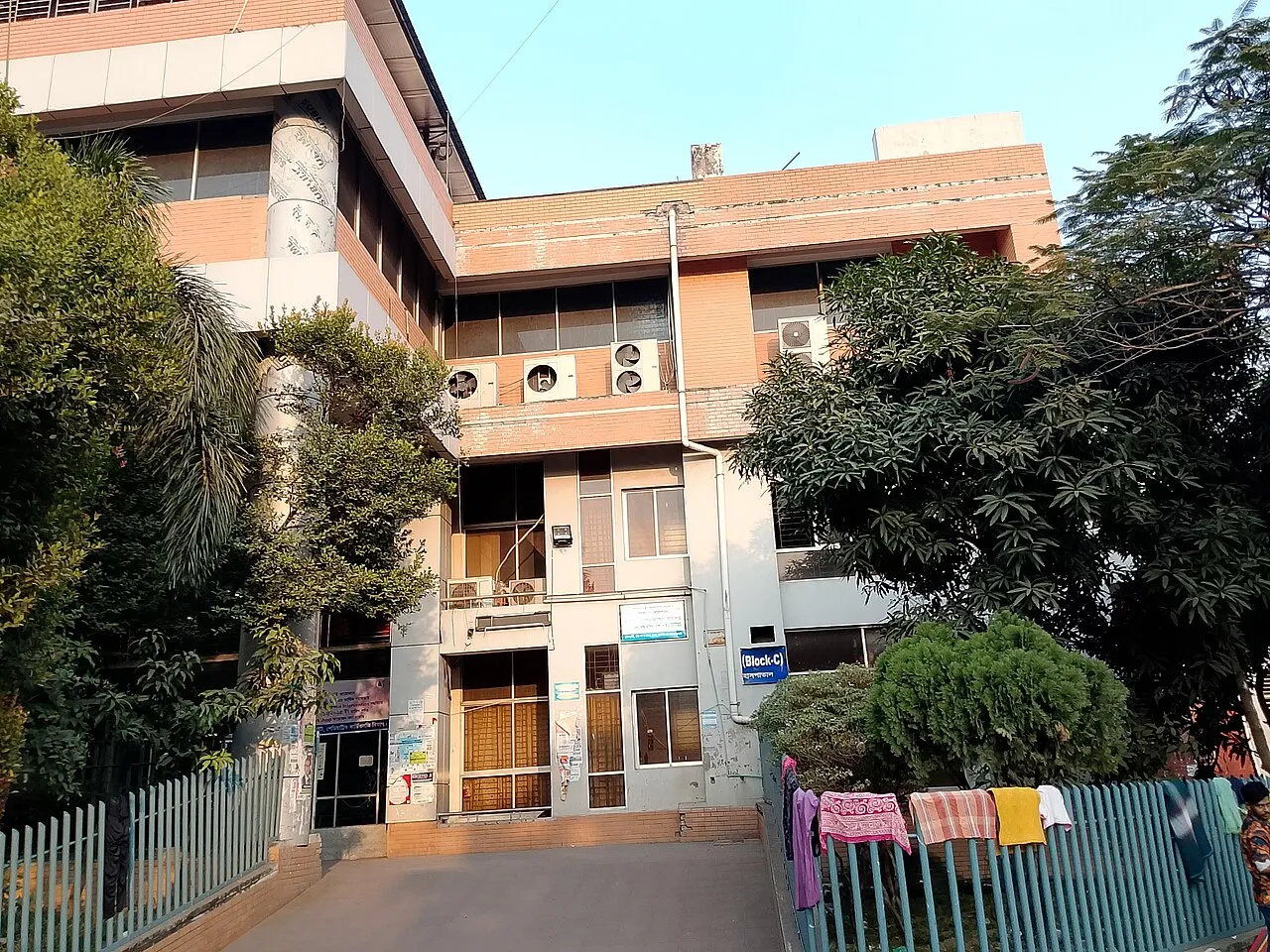
A study from Bangladesh Shishu Hospital & Institute found that nearly 82% of children who died from measles were not exclusively breastfed during their first six months of life, while 97% of those who tested positive for the B3 strain of measles had not received the vaccine.
Researchers attributed the outbreak to the spread of the highly contagious B3 strain, coupled with gaps in vaccination coverage and the decline of maternal immunity before nine months of age. The study also noted that 65% of infected children were malnourished, with 12% experiencing severe malnutrition.
State Minister for Health Dr MA Muhit emphasized the need for continued efforts to control the outbreak, stating that even if vaccination efforts were accelerated, it would take two to three months to fully bring the situation under control. Further investigation is needed to understand why some vaccinated children still developed measles.
The findings underscore the importance of exclusive breastfeeding and timely vaccination in preventing measles deaths, particularly in a country like Bangladesh, where malnutrition is prevalent.
Background
Bangladesh, officially the People's Republic of Bangladesh, is a country in South Asia. It is the eighth-most populous country in the world with a population of almost 177.8 million people within an area of 148,461 square kilometres (57,321 sq mi).
What's confirmed
What's still developing
- Nearly 82% of children who died from measles were not exclusively breastfed during the first six months of life, while 97% who had reached the eligible age but received no measles vaccine tested positive for the…
- The study found that a new strain of the virus did not cause the measles outbreak, but rather the spread of the highly contagious "B3" strain, coupled with gaps in vaccination coverage and maternal antibodies…
- Researchers said children aged six to nine months, particularly those suffering from malnutrition, faced the highest risk of infection and death as maternal immunity declines rapidly before nine months of age and…
- Some 65% of the children with measles suffered from malnutrition, with 12% experiencing severe malnutrition and 53% moderate malnutrition, according to the study.
- The findings also found that 38% of infected children had not been exclusively breastfed during their first six months.
- They said further investigation is needed to determine why 16 children developed measles despite receiving two doses.
- State Minister for Health Dr MA Muhit said there was no room for unrealistic assurances and that even if vaccination efforts were accelerated to 100%, it would take another two to three months to bring the outbreak…