
Home · Science · Aug 17 archive
NASA Chases Enigmatic Fire Clouds in Utah
Developing
In Short: A NASA mission is tracking dangerous fire clouds to better understand their impact on weather and emergency response in Utah.
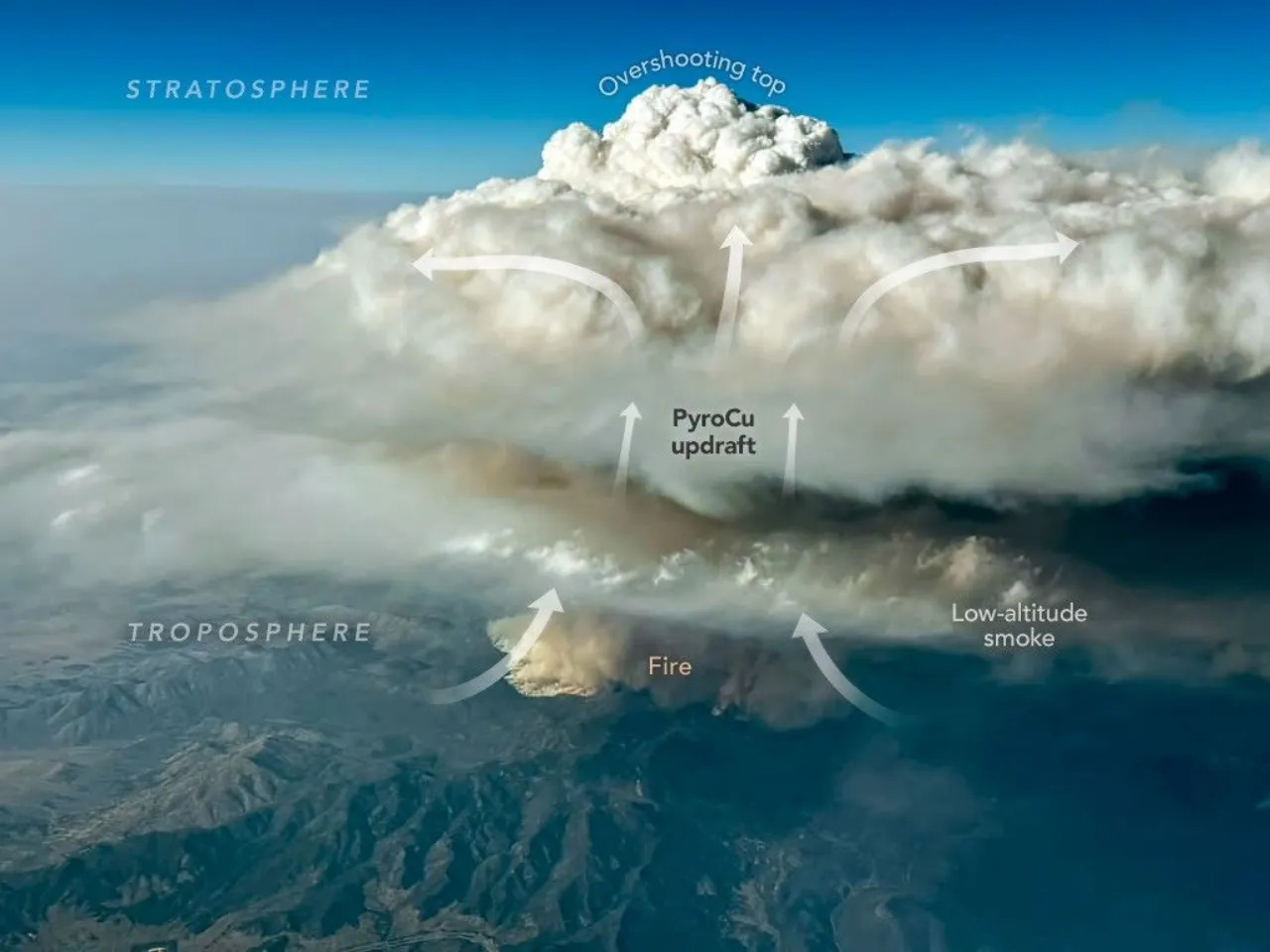
NASA's INSPYRE mission is using advanced aircraft and ground sensors to study pyrocumulonimbus (pyroCb) clouds, which form from intense wildfires and can significantly affect weather patterns and firefighting efforts.
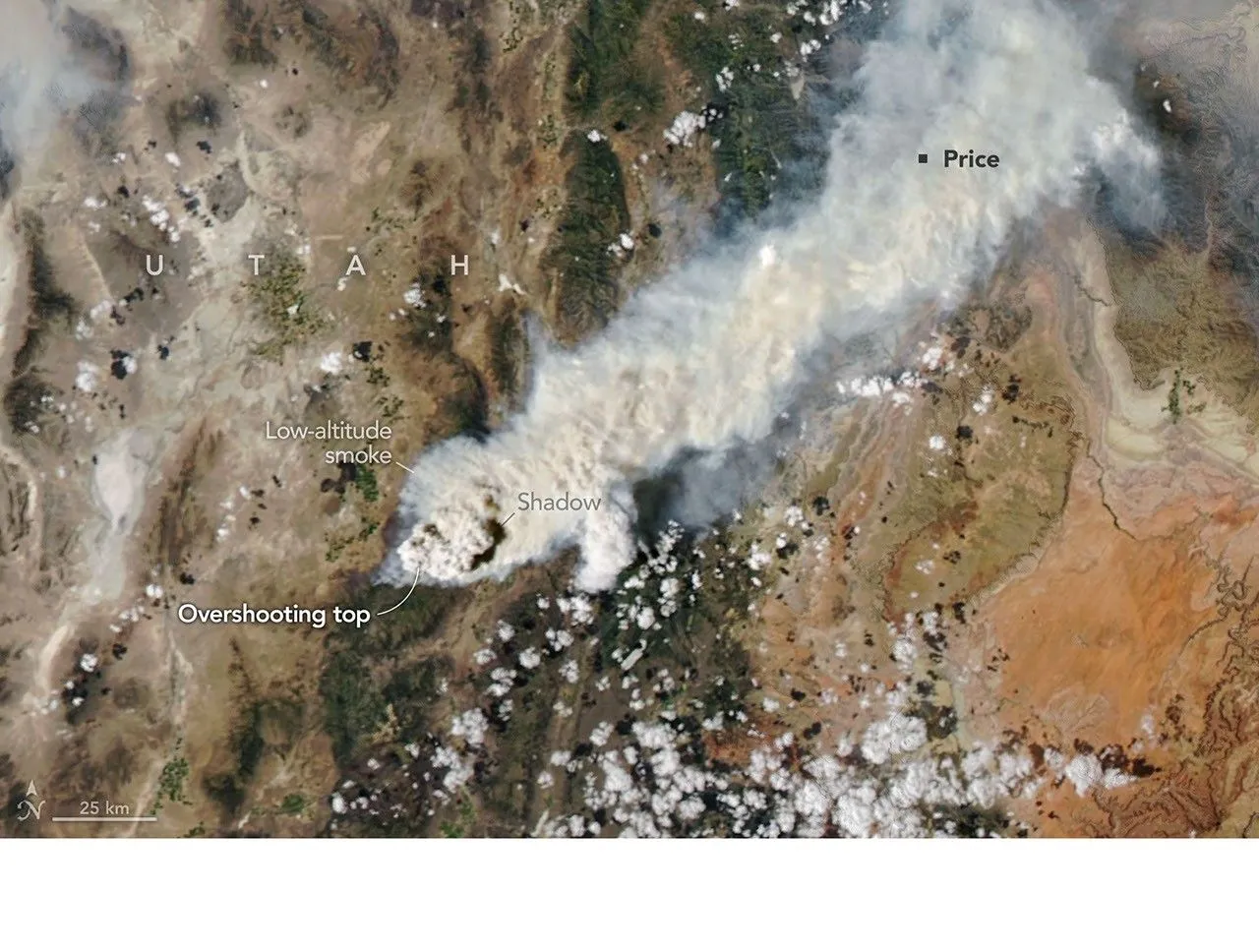
These clouds pose a challenge for forecasters and fire officials, as multiple pyroCbs in a single day can complicate evacuation plans and firefighting strategies, according to David Peterson, the mission's principal investigator.
During the mission, a scientist aboard NASA's ER-2 aircraft captured an image of a pyrocumulus (pyroCu) cloud rising over the Widemouth 2 fire, highlighting the dynamic nature of these phenomena.
By studying these enigmatic clouds, the team aims to improve forecasting and response strategies for wildfires in Utah and beyond.
Utah, a landlocked state in the Mountain West, is known for its diverse landscapes and frequent wildfires, making it a key location for such scientific investigations.
Background
Utah is a landlocked state in the Mountain West subregion of the Western United States. It is one of the Four Corners states, sharing a border with Arizona, Colorado, and New Mexico.
What's confirmed
What's still developing
- Understanding these enigmatic and dangerous clouds is why a team of atmospheric scientists—part of a NASA mission called INSPYRE (INjected Smoke and PYRocumulonimbus Experiment)—is spending the summer chasing them…
- Multiple pyroCbs in a single day could have added unwanted complexity for forecasters and fire officials battling the blaze and organizing evacuations, said David Peterson, INSPYRE's principal investigator.
- During that mission, a scientist on board captured this image (above) of a pyrocumulus (pyroCu) billowing up over the Widemouth 2 fire.