
Home · World · Aug 9 archive
Typhoon Dolphin Intensifies Monsoon Rains, Disrupts East China Flights
Developing
In Short: Typhoon Dolphin's landfall in eastern China triggered heavy monsoon rains, causing landslides and canceling over 1,300 flights from Shanghai.
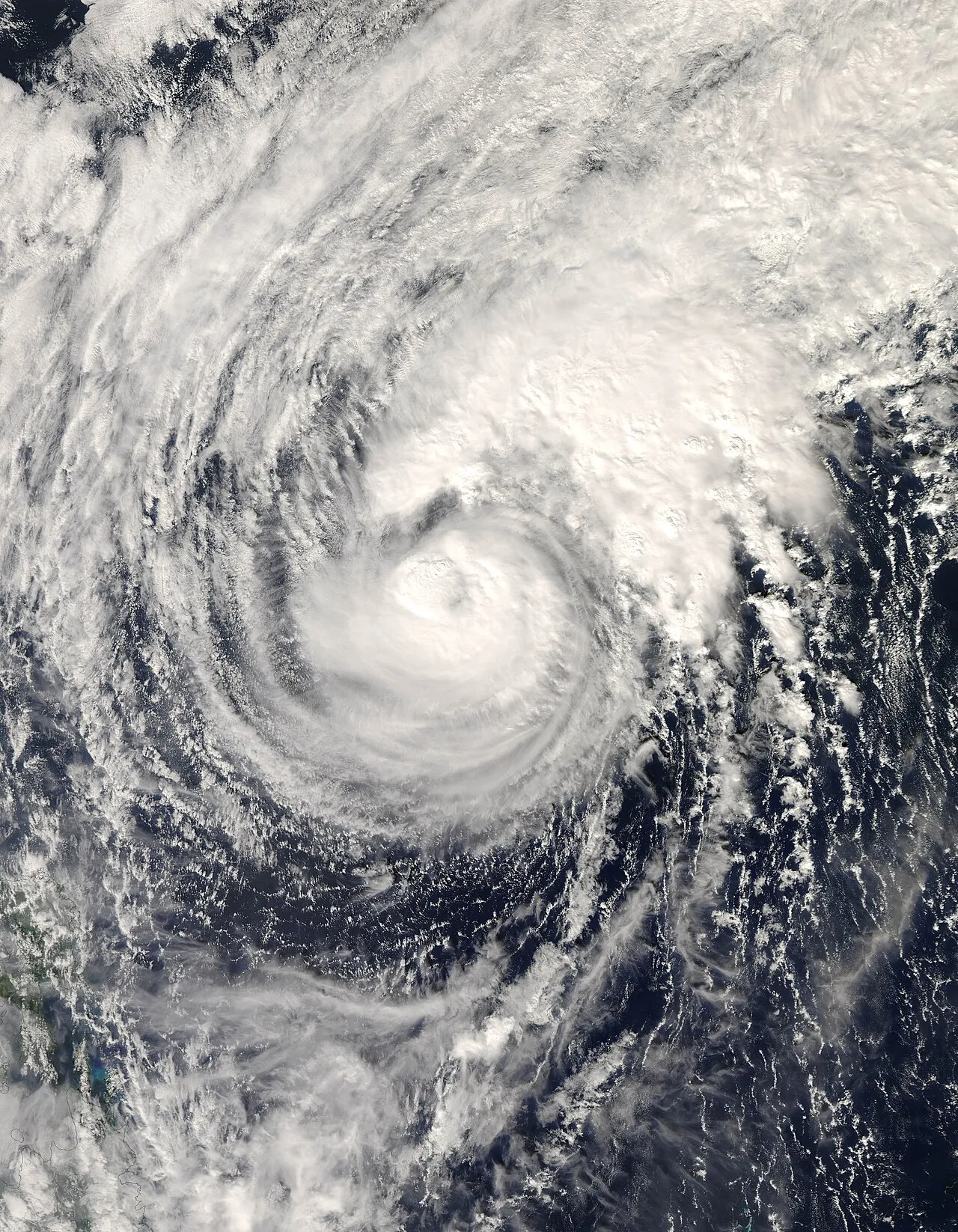
Typhoon Dolphin's landfall in eastern China has intensified monsoon rains, leading to landslides and the evacuation of one million people. The heavy rains, exacerbated by the typhoon, have also disrupted air travel, with Shanghai's Hongqiao and Pudong airports canceling approximately 60% of Sunday's scheduled flights.
The typhoon's impact extends beyond China, with monsoon rains also reported in parts of the Philippines. In the Philippines, the name 'Dolphin' has historical significance, being a tropical cyclone name contributed by Hong Kong, symbolizing the Chinese white dolphin, a local mascot.
Shanghai's aviation sector was particularly affected, with the cancellation of about 1,300 flights, impacting thousands of travelers. The typhoon's influence on weather patterns highlights the complex interplay between tropical cyclones and monsoon systems in the region.
The landslides triggered by the heavy rains pose additional risks to communities in the affected areas, underscoring the severe impact of Typhoon Dolphin on both air travel and ground safety.
Background
The Philippines, officially the Republic of the Philippines, is an archipelagic country in Southeast Asia. Located in the western Pacific Ocean, it consists of about 7,641 islands, with a total area of about 300,000 square kilometers.
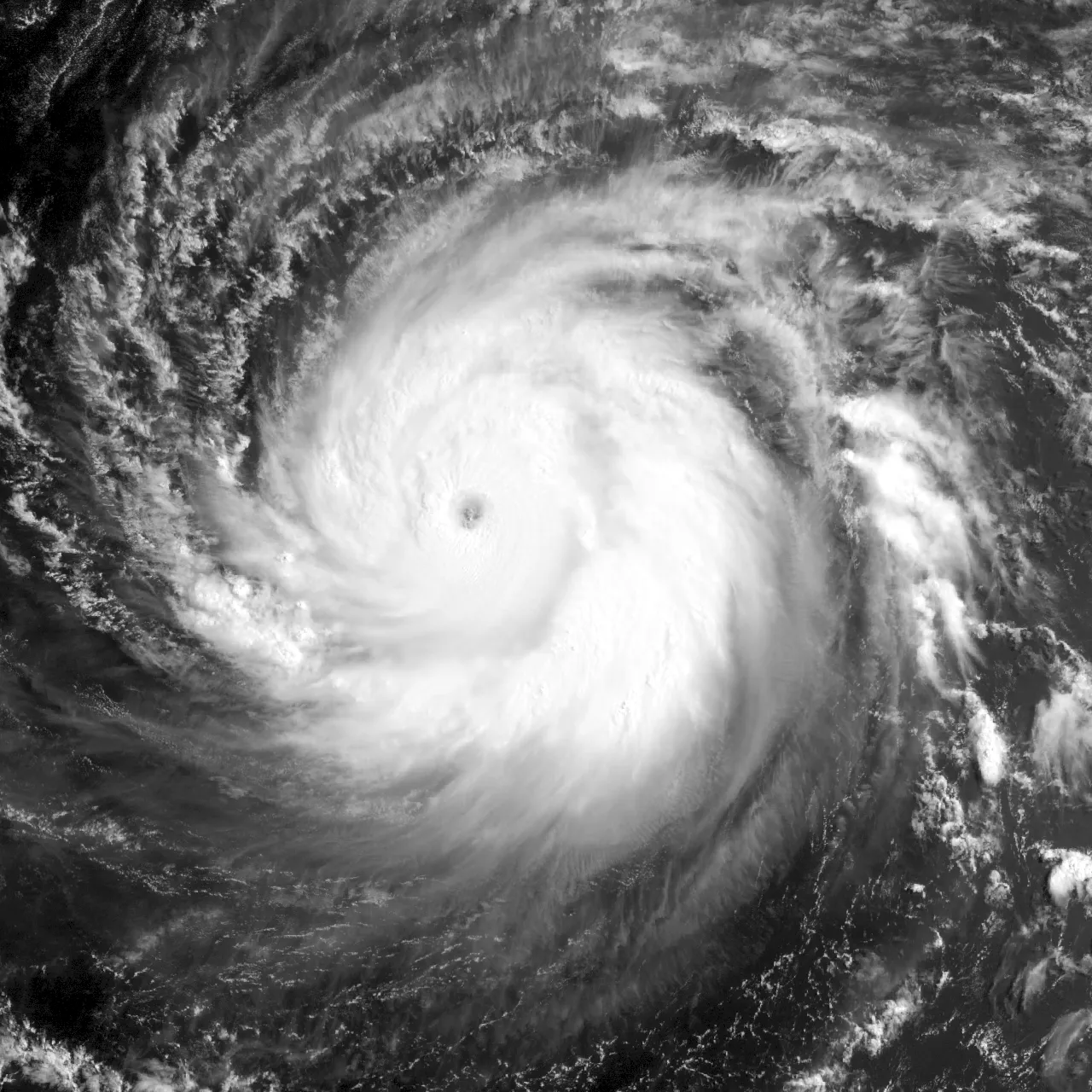
The name Dolphin has been used for four tropical cyclones in the western North Pacific Ocean. The name was contributed by Hong Kong and refers to the Chinese white dolphin, a mascot in Hong Kong.
What's confirmed
What's still developing
- The landslide was set off by days of heavy monsoon rains, which had been intensified by Dolphin, officials said.
- Shanghai’s Hongqiao and Pudong airports canceled about 60% of Sunday’s expected flights, according to the Paper, the city’s state media.