
Home · World · Aug 4 archive
It is reported that the United States Army has used most of its ATACMS and Precision Strike missiles during the war in Iran including Operation Epic Fury.
Confirmed
In Short: The U.S. Army has reportedly used up most of its ATACMS and Precision Strike Missiles during the five-month war with Iran, raising concerns about military readiness for future conflicts.
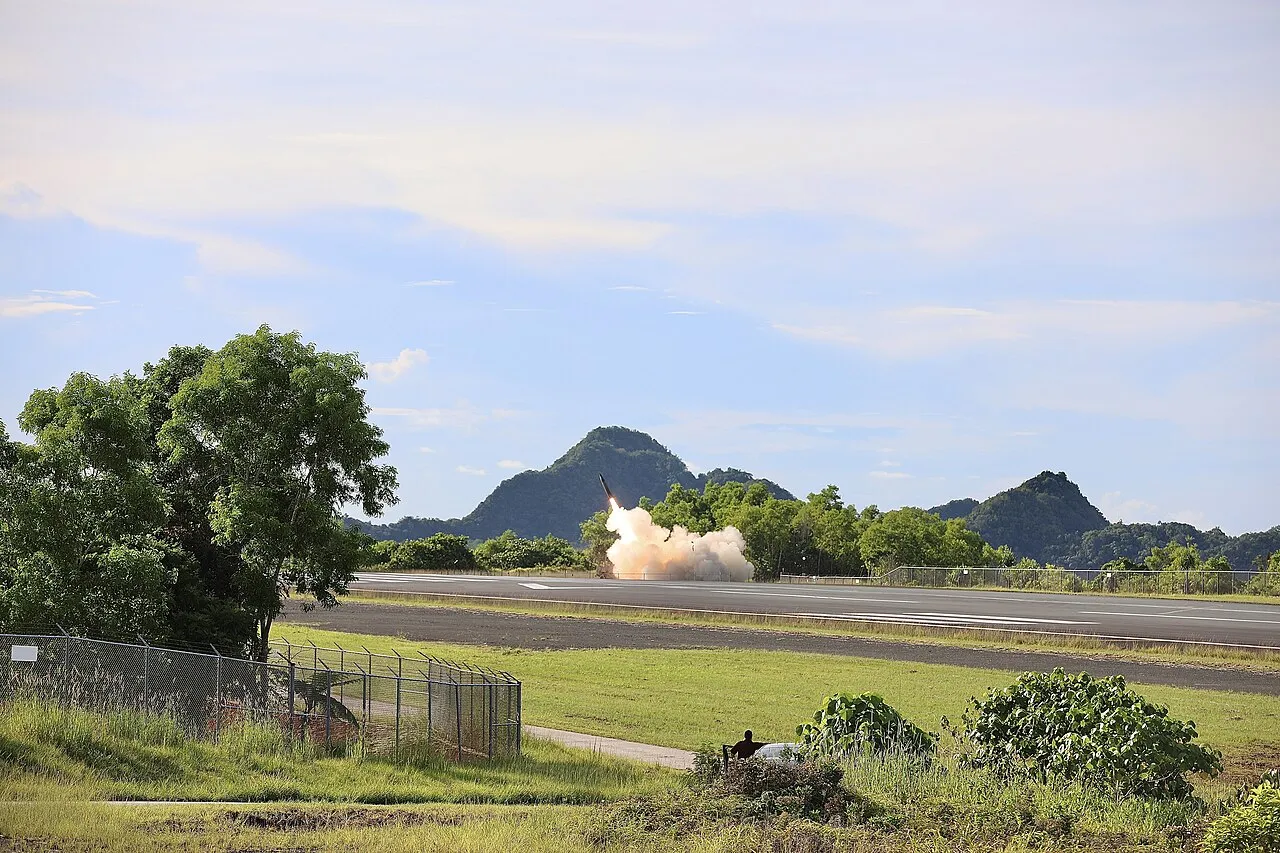
The U.S. Army has reportedly used up most of its stockpile of highly accurate long-range missiles during the five-month war with Iran, according to sources familiar with the data, highlighting potential risks for future military operations.
Sources indicate that the U.S. has used 'virtually all' of these weapons, with Central Command having nearly depleted its land-based missiles but being able to replenish from other military supplies.
This drawdown of ATACMS and Precision Strike Missiles reflects a strategic decision by the Trump administration to avoid riskier methods of attacking Iranian targets, such as using piloted aircraft.
Military leaders have warned the president that stockpiles of defensive weapons, including Patriot interceptors, are dwindling, according to sources.
The use of these missiles to strike targets inside Iran has been confirmed, with concerns growing about the U.S. military's ability to sustain operations without these critical weapons.
Background
Iran, officially the Islamic Republic of Iran, and historically known as Persia, is a country in West Asia. It borders Iraq to the west, Turkey, Azerbaijan, and Armenia to the northwest, the Caspian Sea to the north, Turkmenistan to the northeast, Afghanistan to the east, Pakistan to the southeast, and the Gulf of Oman and the Persian Gulf to the south.
The United States Army is the land service branch of the United States Armed Forces. It is designated as the army of the United States in the United States Constitution.
What's confirmed
What's still developing
- The U.S. Army has used up much of its stockpile of highly accurate long-range missiles during America’s five-month war with Iran, according to three people familiar with the data, raising concerns about the…
- The U.S. has used “virtually all” of these weapons, according to two of the sources.
- The degree to which the military is running out of ATACMS and Precision Strike Missiles has not been previously reported.
- President Donald Trump launched the Iran war jointly with Israel in February, predicting that the conflict would last a short time.
- A fourth person familiar with the matter said that while Central Command — which oversees U.S. forces in the Middle East — has nearly used up the land-based missiles it had before the war began, it has been able to…
- One of the sources said the drawdown of the ATACMS and PrSM stockpiles reflected a decision by the Trump administration to avoid riskier ways of attacking Iranian targets, such as by using piloted aircraft to drop bombs.
- They have been used to strike targets inside Iran, according to a March report by the Center for Strategic and International Studies (CSIS).
- The Army has said that ATACMS are being phased out and that production is shifting to the newer PrSM missiles.