
Home · Business · Jul 23 archive
US Imposes New Tariffs on 60 Trading Partners Over Forced Labor Concerns
Confirmed
In Short: The United States has introduced new tariffs on 60 trading partners, citing forced labor concerns, while exempting USMCA-covered goods. The move aims to align with a long-standing US ban on such practices.
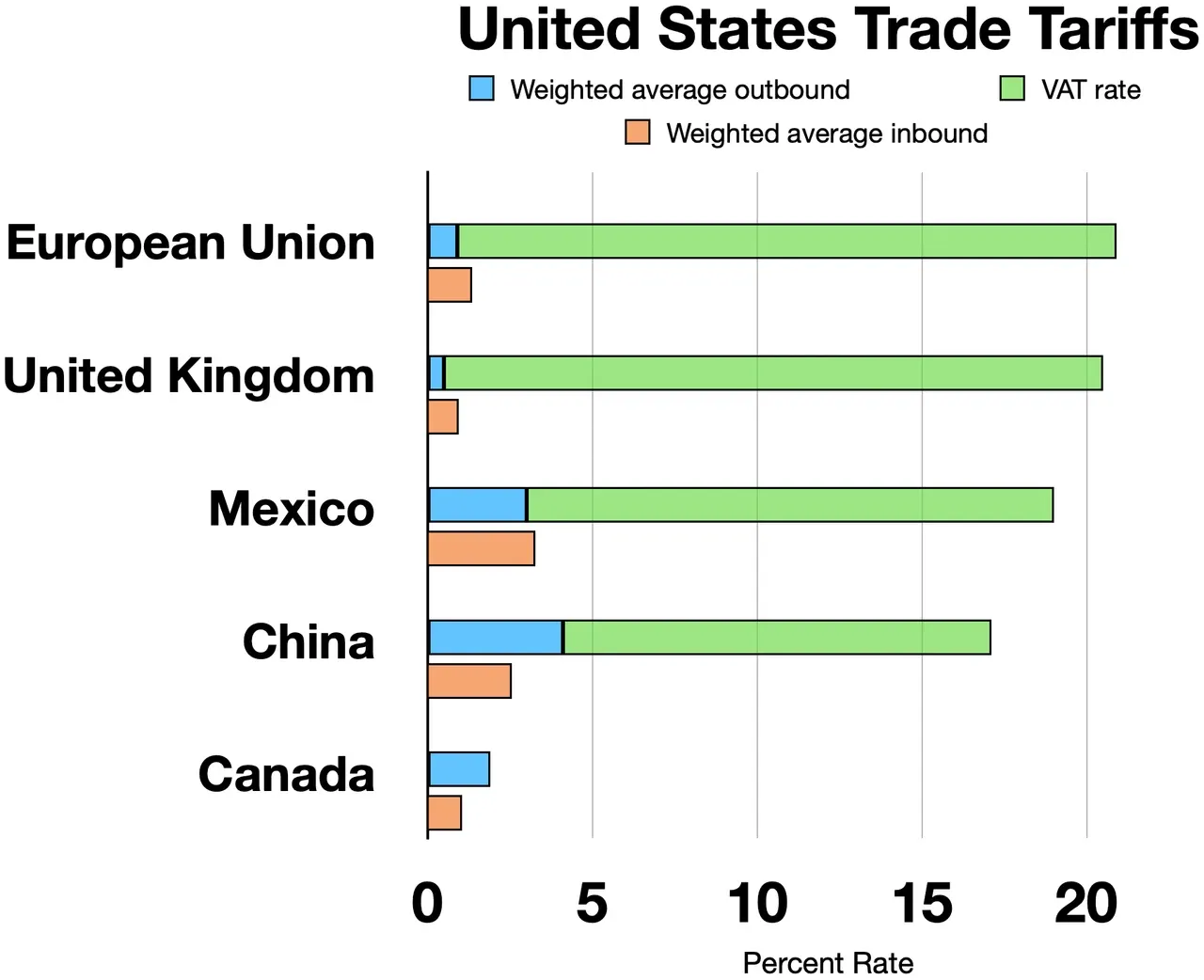
The United States announced new tariffs on 60 trading partners, effective Friday, citing forced labor concerns. This action, which replaces an earlier global duty, is part of a broader strategy to enforce US standards on trading partners.
US Trade Representative Jamieson Greer emphasized the importance of these measures, stating, 'The United States has had a forced labor import ban for nearly a century, and rigorously enforces it; it's well past time for our trading partners to do the same.
Goods entering under the US-Mexico-Canada free trade pact will be exempt from these tariffs, according to a US official. This move maintains leverage over trading partners while providing a clear distinction for USMCA-covered products.
Trade lawyer Greta Peisch explained that the Trump administration's approach of imposing a baseline tariff while reserving the option for further duties is designed to maintain leverage and withstand potential court challenges.
What's confirmed
What's still developing
- WASHINGTON — The United States said Thursday that it would impose new tariffs on 60 trading partners over forced labor concerns, replacing an expiring global duty rolled out by President Donald Trump earlier this year.
- “The United States has had a forced labor import ban for nearly a century, and rigorously enforces it; it’s well past time for our trading partners to do the same,” said US Trade Representative Jamieson Greer in…
- Goods entering under the US-Mexico-Canada free trade pact will also be exempt, a US official told reporters.
- The Trump administration’s move to impose a baseline tariff while sustaining the threat of further duties ahead maintains leverage over its trading partners, trade lawyer Greta Peisch told AFP.
- In spending time on investigations, officials want their incoming tariffs to be robust if there are court challenges, said Peisch, a former USTR general counsel who is now a partner at Wiley Rein.
- The Trump administration has been hunting for options that would allow it to aggressively deploy tariffs, said former US trade official Ryan Majerus.
- In the longer term, Section 301 of the Trade Act of 1974, which Greer tapped to impose the latest duties, provides “more flexibility than people realize,” Majerus said.
- This week, Trump also ordered new 50-percent tariffs on many Canadian products, citing Ottawa’s “discriminatory treatment” against American alcohol, automobile and dairy products.