
Home · World · Jun 30 archive
The Qatari foreign ministry confirms that United States envoys Jared Kushner and Steve Witkoff have arrived in Doha for technical indirect talks with Iran and talks with mediators
Confirmed
In Short: US envoys Jared Kushner and Steve Witkoff have arrived in Doha for technical indirect talks with Iran and discussions with mediators, according to the Qatari foreign ministry.
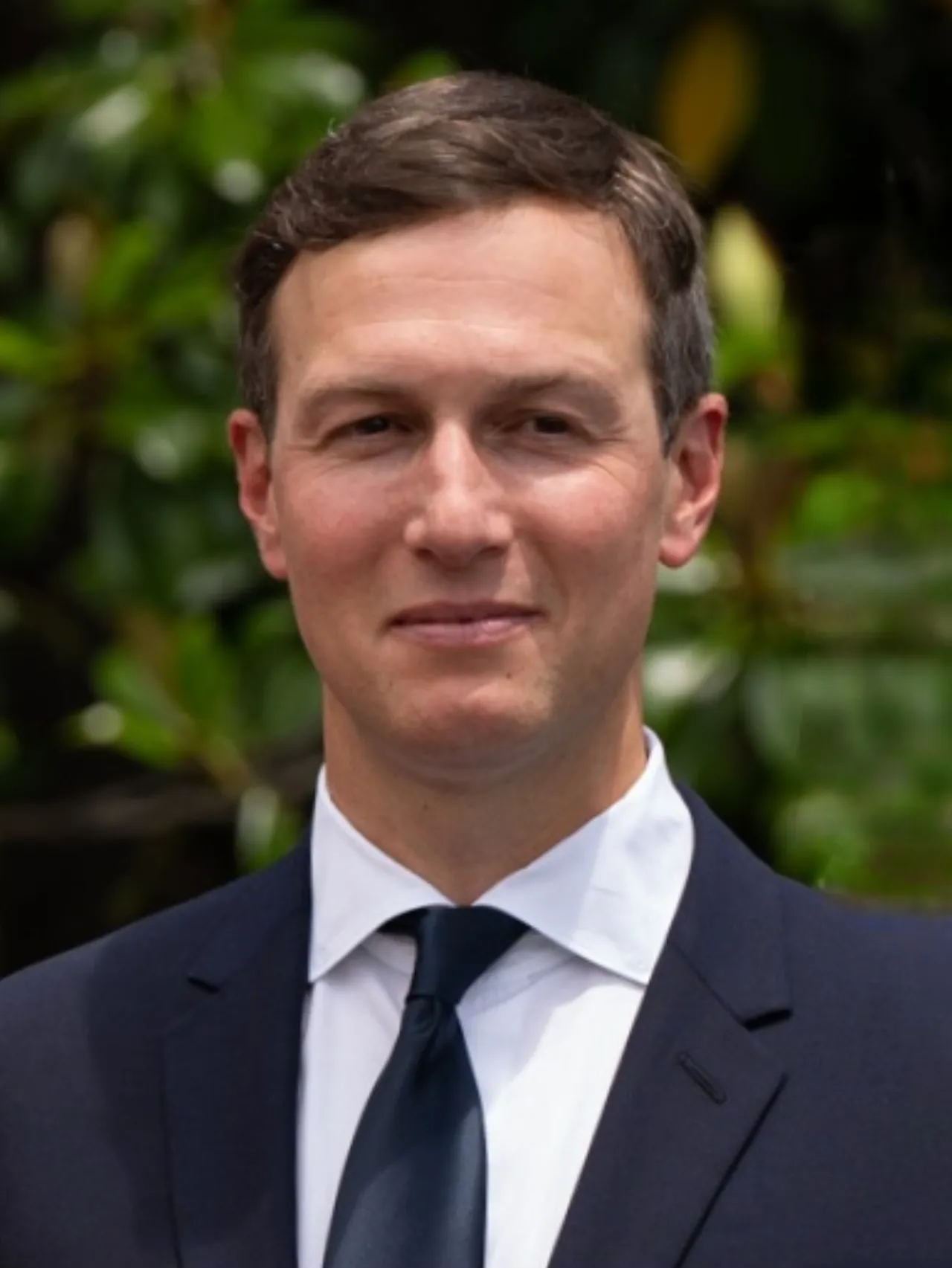
The Qatari foreign ministry confirmed that US envoys Jared Kushner and Steve Witkoff have arrived in Doha for talks with mediators, but not with Iranian officials. Majed al-Ansari, the Qatari foreign ministry spokesman, stated that the discussions will cover regional issues, including negotiations with Iran and other regional concerns like Lebanon.
No high-level meetings or direct talks between the US and Iran are scheduled in the coming days, according to al-Ansari. The first round of talks held in Switzerland a week ago, attended by US Vice-President JD Vance and Iran's Parliamentary Speaker Mohammed Bagher Ghalibaf, showed encouraging progress, as reported by Pakistani and Qatari mediators.
US President Donald Trump had initially claimed that Iran had requested a meeting in Doha, but the Qatari foreign ministry clarified that the US envoys are meeting with mediators and not directly with Iranian officials. A senior Trump administration official told the BBC that very positive conversations had been held between Witkoff, Kushner, and regional leaders, indicating good progress in technical talks.
The release of $6bn of the $12bn in frozen Iranian assets held in Qatar is contingent on progress in talks between the US and Iran, which have not yet occurred, according to Qatari officials. Iran has also stated that it will safeguard its interests over the Strait of Hormuz and implement related provisions in the MoU.
Background
Iran, officially the Islamic Republic of Iran, and historically known as Persia, is a country in West Asia. It borders Iraq to the west, Turkey, Azerbaijan, and Armenia to the northwest, the Caspian Sea to the north, Turkmenistan to the northeast, Afghanistan to the east, Pakistan to the southeast, and the Gulf of Oman and the Persian Gulf to the south.
What's confirmed
What's still developing
- Majed al-Ansari told reporters that no high-level meetings or direct talks between the two sides were scheduled in the coming days.
- Pakistani and Qatari mediators said encouraging progress was made at the first round of talks held in Switzerland a week ago, which US Vice-President JD Vance and Iran's Parliamentary Speaker Mohammed Bagher Ghalibaf…
- US President Donald Trump responded by saying that Iran had requested a meeting in Qatar's capital on Tuesday, and White House Press Secretary Karoline Leavitt announced that Witkoff and Kushner would fly to Doha for…
- On Tuesday, Qatar's foreign ministry spokesman told a news conference that the two US envoys had arrived in Doha for talks with mediators but not Iranian officials.
- "The talks will be around all regional issues which are of concern, including, of course, the negotiations with Iran, but also including Lebanon and other files in the region," he said.
- A senior Trump administration official told the BBC's US partner CBS News that very positive conversations had been held between Witkoff, Kushner and regional leaders.
- CBS reported the official as saying good progress in technical talks continues.
- Ansari said the release of $6bn (£4.5bn) of the $12bn in frozen Iranian assets held in Qatar depended on progress in talks between the US and Iran that had not yet happened.