
Home · Politics · Jun 30 archive
Supreme Court Rejects Trump’s Birthright Citizenship Order
Developing
In Short: The Supreme Court has struck down President Donald Trump's executive order on birthright citizenship, ruling 6-3 that it violates the 14th Amendment.
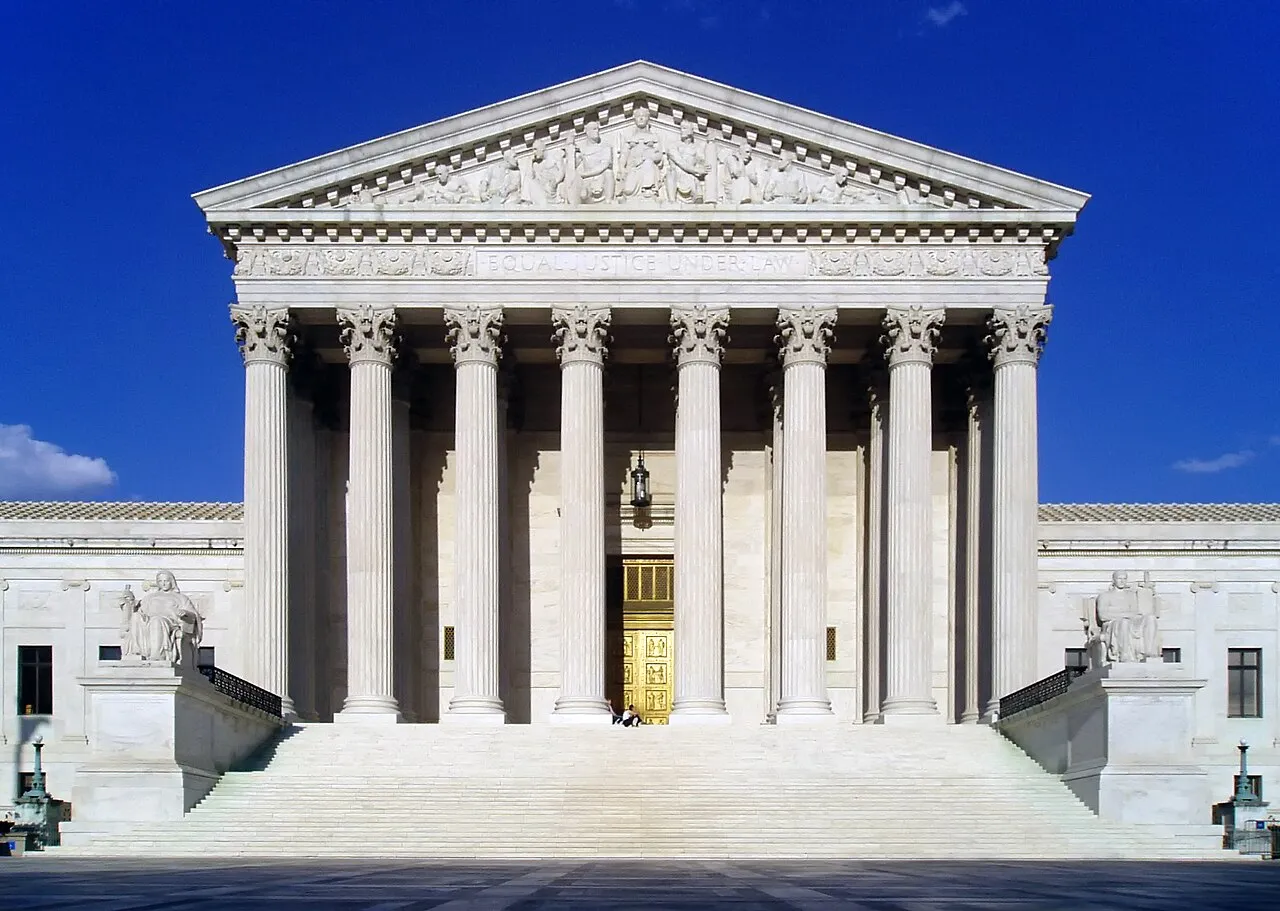
The Supreme Court has rejected President Donald Trump’s executive order on birthright citizenship, which aimed to deny citizenship to children born to mothers who are in the country illegally or temporarily. By a 6-3 vote, the court struck down the order, with Chief Justice John Roberts leading the majority opinion. Justice Brett Kavanaugh dissented on the constitutional ruling but agreed with the majority on the federal law.
The case, which was framed as another test of Trump’s assertions of executive power, involved his appeal of a lower-court ruling from New Hampshire that struck down the citizenship restrictions. The birthright citizenship order, signed on the first day of Trump’s second term, is part of his administration’s broader immigration crackdown. Several lower courts had previously blocked the order, which had not taken effect anywhere in the U.S.
Justice Clarence Thomas, along with Justices Samuel Alito and Neil Gorsuch, dissented, writing a 91-page dissent that was more than three times as long as Roberts’ opinion. Thomas argued that the President’s order excluded children of foreign temporary visitors and illegal aliens from citizenship. Trump reacted furiously to the decision, suggesting that Congress could easily address it with legislation.
The ruling was a bare majority of five justices on the constitutional question, with Trump expressing his disapproval and suggesting that the decision was “too bad for our Country.” Despite the majority’s stance, Kavanaugh’s dissent highlighted the broader implications of the order, emphasizing the robust view of presidential power that has largely favored Trump’s administration.
What's confirmed
What's still developing
- The Supreme Court has rejected President Donald Trump’s executive order on birthright citizenship that would have denied citizenship to children born to mothers who are in the country illegally or temporarily.
- By a 6-3 vote, the court struck down Trump’s order.
- A sixth justice, Brett Kavanaugh, disagreed about the constitutional ruling, but pointed to a federal law that he said broadly conveys birthright citizenship.
- Justices Samuel Alito, Neil Gorsuch and Clarence Thomas would have upheld Trump’s proposed restrictions.
- “The Court today takes the extraordinary step of holding facially unconstitutional the President’s Order excluding from citizenship the children of foreign temporary visitors and illegal aliens,” Justice Clarence…
- The Republican president’s restrictions had been blocked by several lower courts and had not taken effect anywhere in the U.S. Trump said the decision was “too bad for our Country” and wrongly suggested that Congress…
- The case framed another test of Trump’s assertions of executive power that defy long-standing precedent for a court with a conservative majority and a robust view of presidential power that has largely ruled in his…
- The justices ruled on Trump’s appeal of a lower-court ruling from New Hampshire that struck down the citizenship restrictions.
Sources
- AP Newslink