
Home · Science · May 7 archive
New NASA Technology Mimics Extreme Cold of the Lunar Night
Developing
In Short: NASA's new RFC energy storage system is set to revolutionize lunar missions by offering higher energy density than current batteries. This advancement will allow spacecraft to carry less weight, making it easier to meet the energy storage needs for sustained operations on the lun
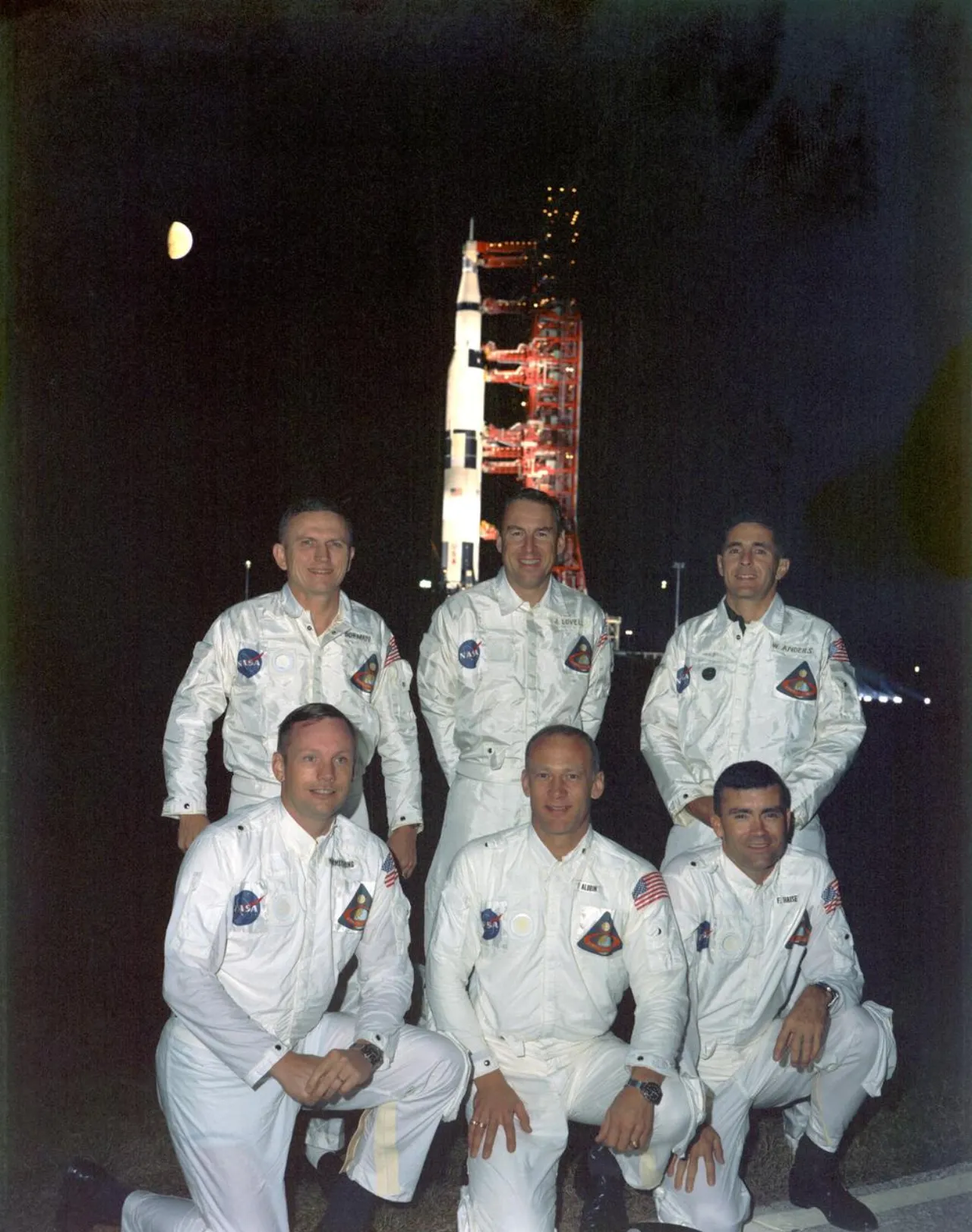
NASA's new RFC energy storage system is set to revolutionize lunar missions by offering higher energy density than current batteries. This advancement will allow spacecraft to carry less weight, making it easier to meet the energy storage needs for sustained operations on the lunar surface.
The system is designed to mimic the extreme cold of the lunar night, which is crucial for its operation. By doing so, it ensures that missions can function efficiently even when the moon's temperature drops dramatically, a significant challenge for long-term lunar exploration.
This technology will enable future lunar missions to be more efficient and capable, carrying less weight while still meeting the energy demands necessary for successful operations. The improved energy storage system is a key step forward in NASA's efforts to establish a sustainable presence on the moon.
In Short: NASA's new RFC energy storage system will enhance lunar mission efficiency by offering higher energy density and better weight management.
What's confirmed
What's still developing
- NASA’s RFC energy storage system will have a higher energy density than modern state-of-the-art batteries, helping missions to the lunar surface carry significantly less weight for the same amount of stored energy…
Sources
- NASA (.gov)link