
Home · World · May 6 archive
Pakistani deputy prime minister and foreign minister Ishaq Dar says that Pakistan is focusing on making the current ceasefire between Iran and the United States permanent
Developing
In Short: ISLAMABAD: Deputy Prime Minister and Foreign Minister Ishaq Dar stated that Pakistan is focusing on making the current ceasefire between the United States and Iran permanent. Speaking at the second session of the Ulema Council Conference in Islamabad, Dar highlighted Pakistan's r
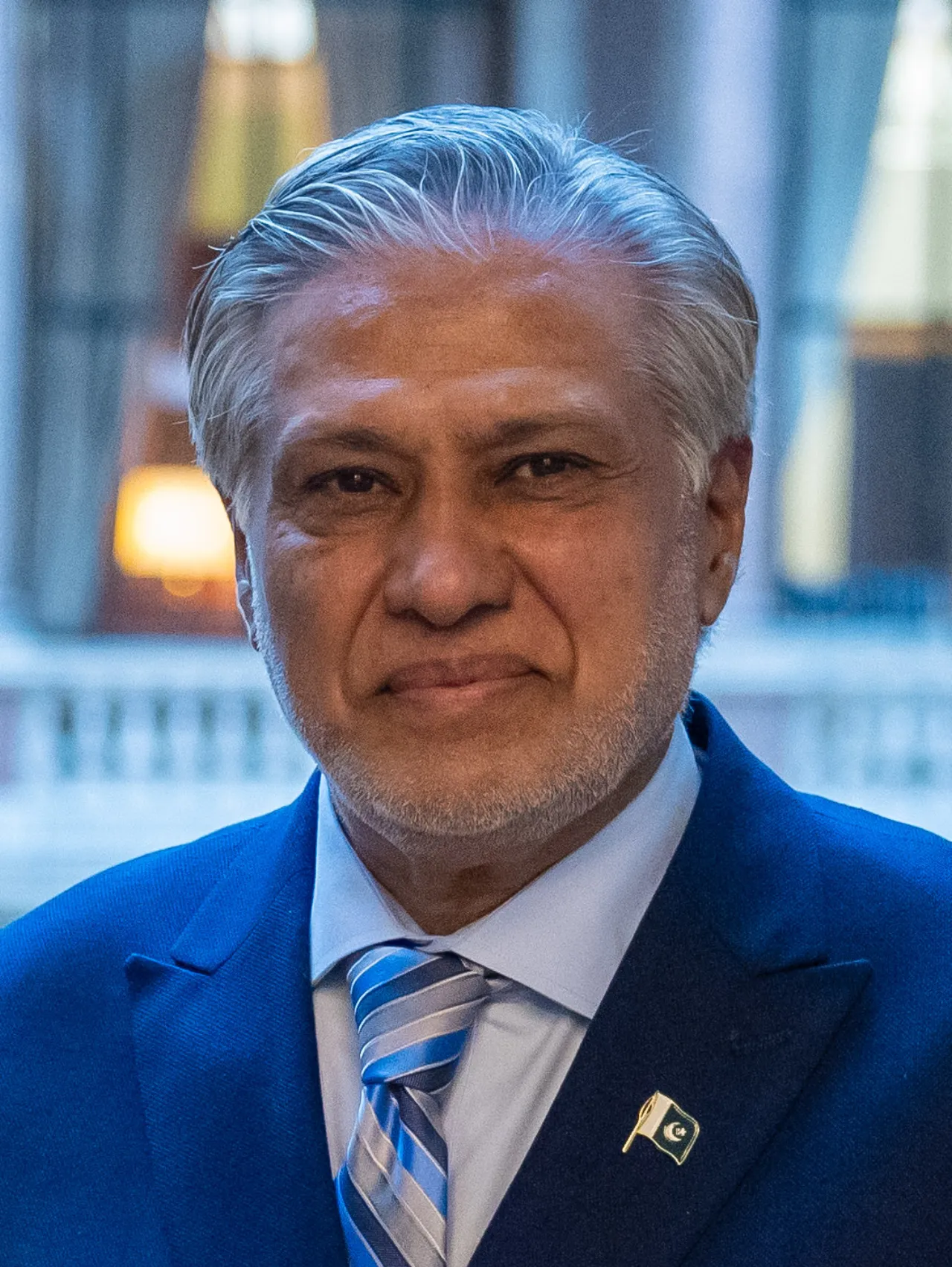
ISLAMABAD: Deputy Prime Minister and Foreign Minister Ishaq Dar stated that Pakistan is focusing on making the current ceasefire between the United States and Iran permanent. Speaking at the second session of the Ulema Council Conference in Islamabad, Dar highlighted Pakistan's role in helping secure direct negotiations and a ceasefire between the two sides, which has helped reduce daily casualties.
The continuation of the ceasefire has been crucial in halting the heavy loss of life, according to Dar. He also urged Muslim countries to unite in their efforts, emphasizing that collective strength is more effective when countries act together.
In February, Pakistan played an active role in responding to the conflict, bringing the U.S. and Iran to the negotiating table for the first time in 47 years, according to Dar. The ceasefire, initially agreed upon on April 8, was extended indefinitely by U.S. President Donald Trump upon the request of Field Marshal Asim Munir and Prime Minister Shehbaz Sharif.
Dar's comments come as Pakistan continues to work towards a lasting peace between Iran and the U.S., highlighting the country's diplomatic efforts in this ongoing conflict.
Background
Pakistan, officially the Islamic Republic of Pakistan, is a country in South Asia. It is the fifth-most populous country, with a population of over 241.5 million, having the second-largest Muslim population in the world as of 2023.
Iran, officially the Islamic Republic of Iran, and historically known as Persia, is a country in West Asia. It borders Iraq to the west, Turkey, Azerbaijan, and Armenia to the northwest, the Caspian Sea to the north, Turkmenistan to the northeast, Afghanistan to the east, Pakistan to the southeast, and the Gulf of Oman and the Persian Gulf to the south.
What's confirmed
What's still developing
- ISLAMABAD: Deputy Prime Minister and Foreign Minister Ishaq Dar said on Wednesday that Pakistan’s current diplomatic effort is focused on turning the ceasefire between the United States and Iran into a lasting…
- Speaking at the second session of the Ulema Council Conference in Islamabad, Dar said Pakistan had worked to help secure direct negotiations and a ceasefire between the two sides.
- He said the continuation of the ceasefire had helped halt a heavy daily loss of life.
- The foreign minister also urged Muslim countries to close ranks if differences had emerged among them, saying their collective efforts would be stronger if they acted together.
- Dar said Pakistan had played an active role from February 28 onward in responding to the conflict.
- After 47 years, we brought the US and Iran to sit down at the same table. he said, contrasting the development with earlier indirect contacts that had been facilitated by Oman.
- US and Israeli forces launched the war against Iran on February 28.
- As the Pakistan-brokered two-week ceasefire agreed on April 8 approached its original deadline, US President Donald Trump said on social media that he had decided to extend it indefinitely upon the request of [Chief…